January 9, 2025
Love multiplies, it doesn't divide.
“Love multiplies, it doesn’t divide." - Rita Mae Brown
civics, belonging
Love with a civic address
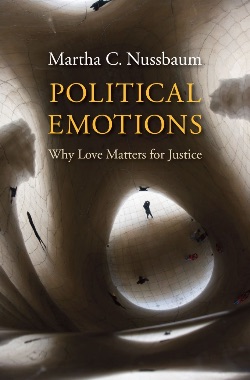
Martha Nussbaum is a philosopher and legal scholar who has spent her career asking what human beings need to live lives of dignity—and how law, education, and culture can support that aim. In Political Emotions: Why Love Matters for Justice, she brings this work together to suggest that certain shared feelings—compassion, solidarity, and a critical kind of civic pride—provide the emotional infrastructure diverse societies need to pursue genuine justice.
BOOK: Political Emotions: Why Love Matters for Justice
culture, interbeing
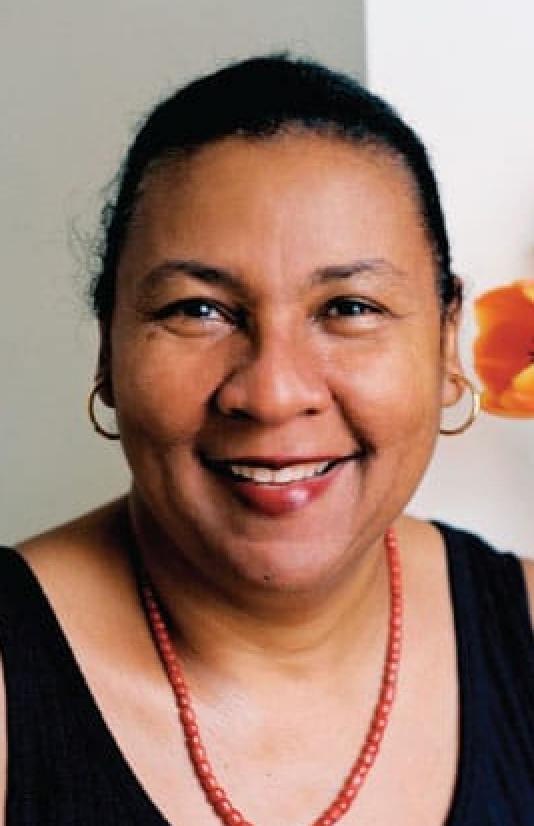
The day that bell hooks met Thich Nhat Hanh to talk about practicing love in a culture of domination.
bell hooks was a feminist theorist, cultural critic, and writer whose work centered love, justice, and the interlocking realities of race, gender, and class. In her view, love is not merely a feeling but an ethic of will, action, and responsibility.
ARTICLE: Building a Community of Love: bell hooks and Thich Nhat Hanh
civics, inclusion
Care, dignity, and belonging as the core antidotes to resentment politics
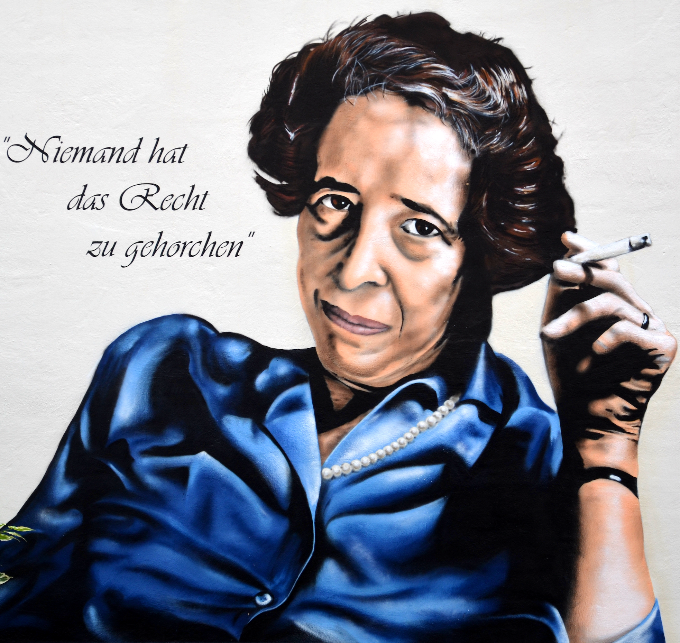
By invading Venezuela in defiance of both national and international law, Trump is fulfilling a campaign promise. He has been explicit about his intention to pursue an imperial mindset.
ARTICLE: How Hannah Arendt Can Help Us Understand This New Age of Far-Right Populism
company, employee ownership
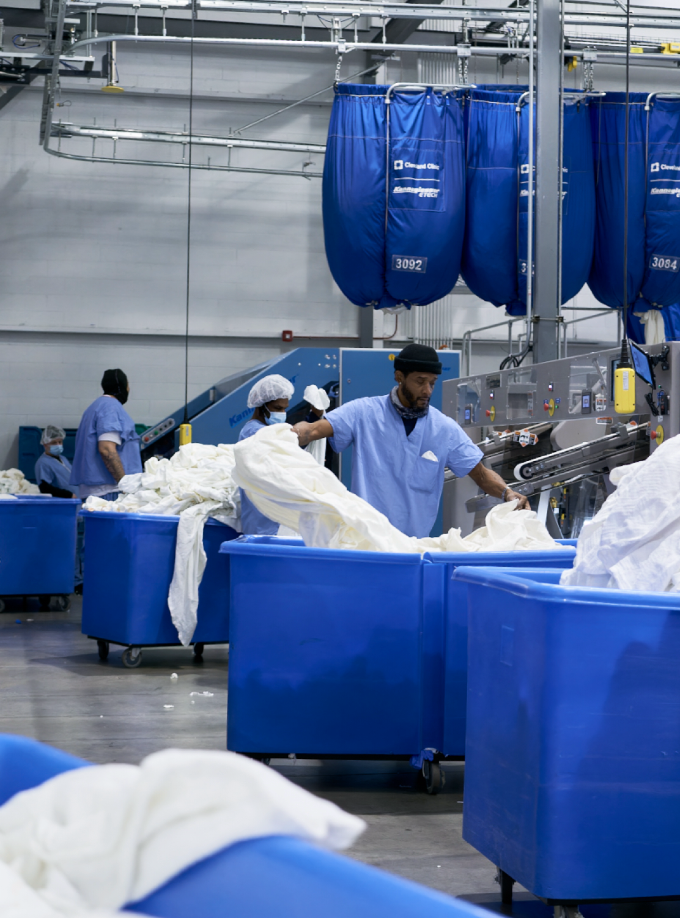
Worker ownership is a natural way to distribute wealth.
Last May I introduced my friend John Abrams’s book, From Founder to Future, a practical roadmap for mission-driven business owners who want to move beyond founder-centric control toward shared ownership, preserved purpose, and what he calls a “CommonWealth company.”
ARTICLE: An Opportunity to Build the Ownership Economy
teaching, futures literacy
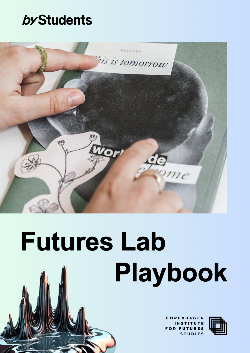
Building futures literacy in the transition from study to working life.
If we assume the future is something we must consciously design together—not a fate to endure—then we need futures literacy. When students learn how they “use the future” in their thinking, they can surface fears, hopes, and hidden assumptions, reducing paralysis and futures-related anxiety.
PDF BOOK: Futures Lab Playbook

habitat, biogenic materials
An ancient plant transformed into low-carbon building materials and recyclable products.
Biogenic materials are derived from living or recently living organisms—plants, animals, fungi, or microbes—and include materials such as timber, straw, hemp, cork, mycelium, and natural fibers.
ARTICLE: Designing a Regenerative World with Flax
learning, Personal development
How a strong, self‑transcending purpose can transform health, resilience, and ethical behavior
When Vic Strecher’s daughter was an infant, she was diagnosed with a fatal heart condition. Because she was otherwise healthy, her doctors recommended that she undergo what was then a relatively new and still largely untested infant heart transplant.
PODCAST: You 2.0: What Is Your Life For?

ARTICLE: Living in an almshouse can boost the longevity of its residents by as much as two-and-a-half years compared to their counterparts in the general population.
ARTICLE: After two signaled intersections in Keene, New Hampshire were converted to roundabouts, local fine particulate pollution dropped by up to 40%.
ARTICLE: Ten of the biggest new and expanded museums opening this year
ARTICLE: After two signaled intersections in Keene, New Hampshire were converted to roundabouts, local fine particulate pollution dropped by up to 40%.
ARTICLE: Ten of the biggest new and expanded museums opening this year
"Self interest is of the past.
Common interest is for the future."
— David Attenborough
January 2, 2025
It's hard to see the future
"The things I thought would happen didn't. Things I never anticipated unfolded." - Patti Smith
culture, story
Our stories about the future affect our behavior in the present.
Sam Paterson warns that fatalistic “end-of-the-world” thinking closes off possibilities at the very moment we need them most. When catastrophe is treated as unavoidable, action begins to feel symbolic or futile, discouraging collective effort, experimentation, and reform.
ARTICLE: Against Apocalypse: The Slow Cancellation of the Slow Cancellation of the Future
culture, futures thinking
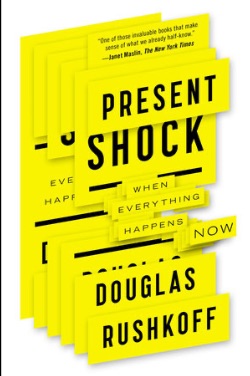
We've lost touch with the fact that the payoffs to our most meaningful endeavors unfold over years and generations, not news cycles.
Media theorist, writer, and documentarian, Douglas Rushkoff, published Present Shock: When Everything Happens Now in 2013. More than a decade later, it reads like a field guide to the world we inhabit today.
BOOK: Present Shock: When Everything Happens Now
learning, systems thinking
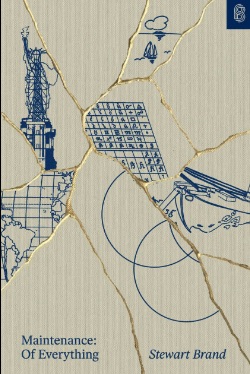
"The essential art of civilization is maintenance.”
Stewart Brand’s been working on a new book, and it’s pushing at a quiet but radical idea: maybe civilization’s biggest problem isn’t a lack of innovation, or even the threat of collapse, but our failure to take care of what already exists. Instead of obsessing over the next new thing—or the end of everything—he argues we might do better by paying serious attention to the practices and institutions that keep systems working over the long haul.
ARTICLE: The Essential Art of Civilization
civics, libraries
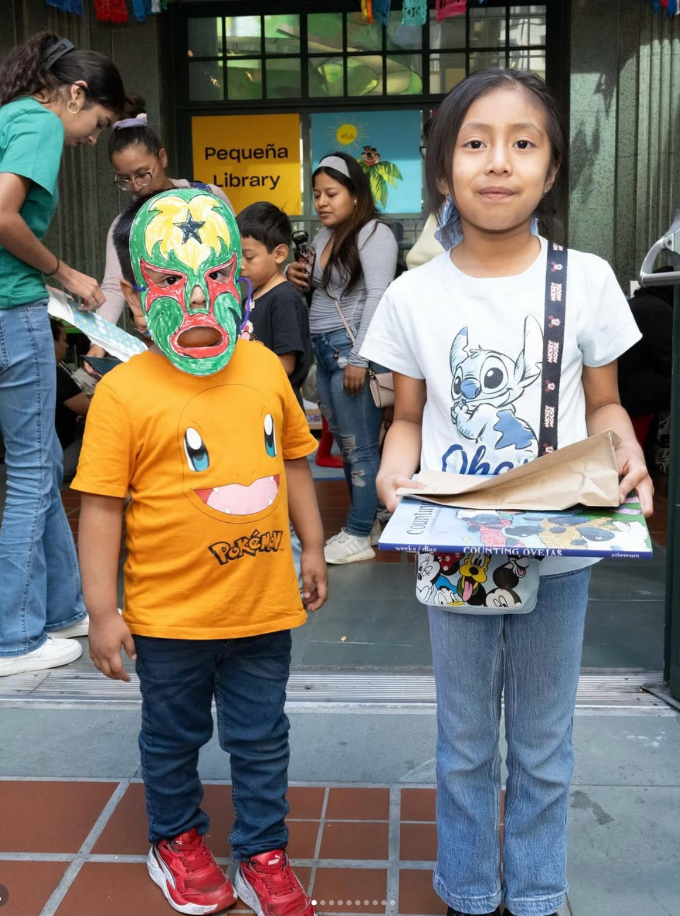
Libraries as essential civic infrastructure
IREX is a global nonprofit dedicated to strengthening people, communities, and institutions so societies can function more justly and resiliently. Its work prioritizes human capacity and civic trust.
REPORT: How U.S. Public Libraries are Bridging Social Divides
habitat, health as infrastructure
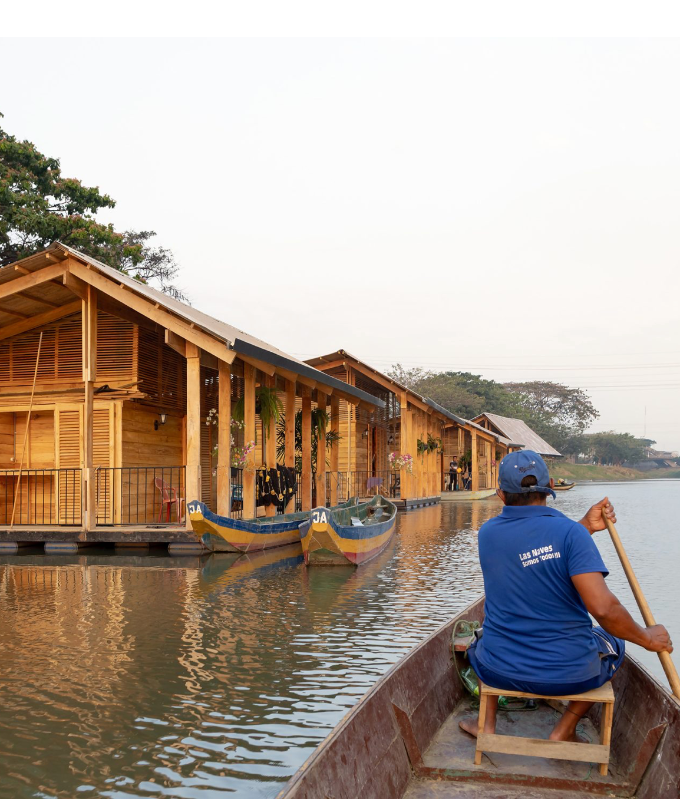
Architects are no longer treating health as an external requirement but as an integral condition of everyday life.
Designer, researcher, and educator, Olivia Poston, reports that in 2025, health became a guiding ethic in architecture—not a niche concern or performance overlay. Health now shows up as social, mental, environmental, planetary, and intergenerational well-being, embedded directly in how buildings are conceived, made, and lived in.
ARTICLE: Architecture that Shapes Health: Lessons of Design and Well-Being in 2025

learning, personal development
Transitions open us to new ways of seeing.
As one year turns into the next, Ann Tashi Slater sees our shared state of liminality as an opportunity to change our perspective. She describes this condition of being “in between” as a natural and fertile state, visible in moments like dawn before sunrise or a flower poised between bud and bloom. These transitions, she suggests, open us to new ways of seeing.
ARTICLE: ‘Tis the Season to Open Yourself to New Ways of Seeing
ARTICLE: Batteries are now cheap enough to make dispatchable solar economically feasible.
ARTICLE: You can only enter the Manuscript Writing Cafe in Tokyo if you have a deadline and you can’t leave until you’ve met your goal.
ARTICLE: Since New York State banned cell phone use in public schools during the school day, students have rediscovered poker.
ARTICLE: You can only enter the Manuscript Writing Cafe in Tokyo if you have a deadline and you can’t leave until you’ve met your goal.
ARTICLE: Since New York State banned cell phone use in public schools during the school day, students have rediscovered poker.

“Make the drummer sound good.”
— Thelonious Monk
december 26, 2025
We need new myths
“We need myths that will identify individuals not with their local group but with the planet.” - Joseph Campbell

learning, myth
"How much of the beauty of our own lives is about the beauty of being alive?”
Joseph Campbell was a twentieth-century scholar of comparative mythology and religion and among the first public intellectuals to bring myth beyond the classroom and scholarly circles. His formulation of the “monomyth,” or hero’s journey, influenced generations of artists and filmmakers, most notably George Lucas’s Star Wars, and helped popularize the idea that myths function as templates for psychological and spiritual development.
BOOK: The Power of Myth
culture, story
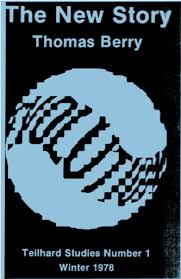
We need a new narrative that can transmit values, orient education, and guide institutions toward sustaining the Earth community.
In the late 1970s—at roughly the same time Joseph Campbell was suggesting that our understanding of the universe and our place within it is “all a matter of story”—Thomas Berry, a Catholic priest, cultural historian, and ecological philosopher, was asserting that “we are in between stories.”
ESSAY: The New Story: Comments on the Origin, Identification, and Transmission of Values
civics, collaboration
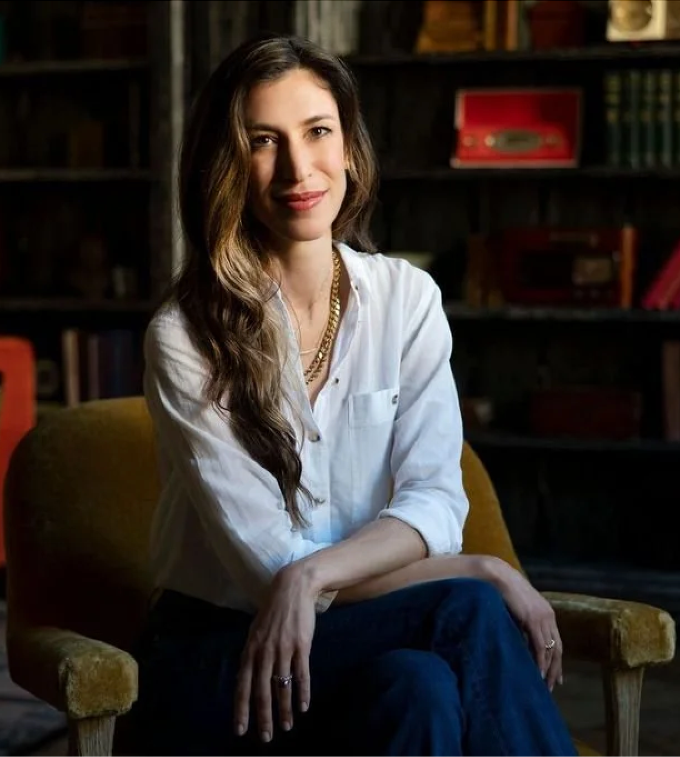
A general blueprint for how any cooperative human group can function well
Elinor Ostrom was an American political scientist and political economist best known for showing that communities can successfully manage shared resources without relying only on government or markets. Her work challenged the idea that commons inevitably collapse into a “tragedy of the commons.”
ARTICLE: Generalizing the Commons
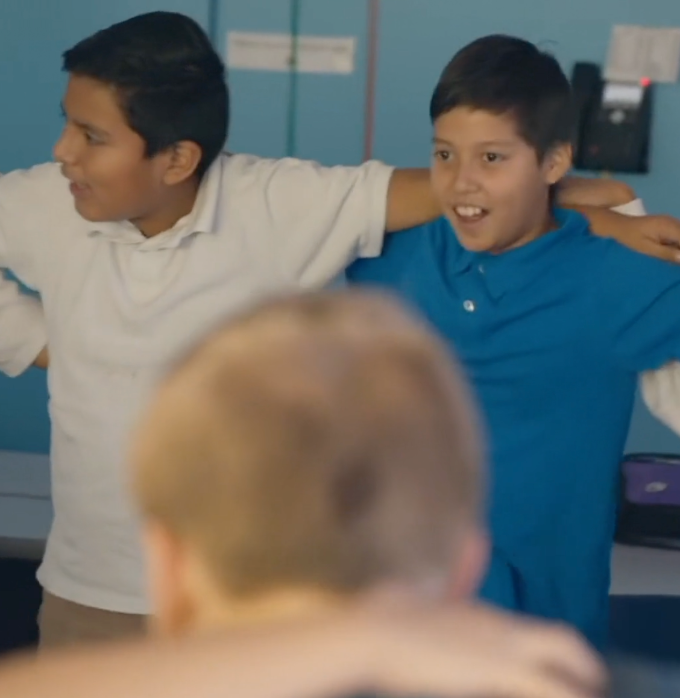
learning, history
Design history as a “practice of freedom”
bell hooks saw education as a “practice of freedom," an opportunity to invite marginalized voices, encourage open dialogue, and challenge dominant narratives rather than reproduce them. Boston University professor Kristen Coogan applies this same lens to graphic design history.
INTERVIEW: The Daily Heller: The Growth of New Design History Ecosystems
communications, storytelling
Stories help people understand that the futures we picture together can become the futures we build.
Within reparations work, the term “hope gap” describes the disconnect between support and belief. Many people back an issue, yet far fewer think meaningful change can realistically happen in their lifetime, especially around Black reparations and Indigenous Land Back.
RESEARCH REPORT: Fabric of Repair
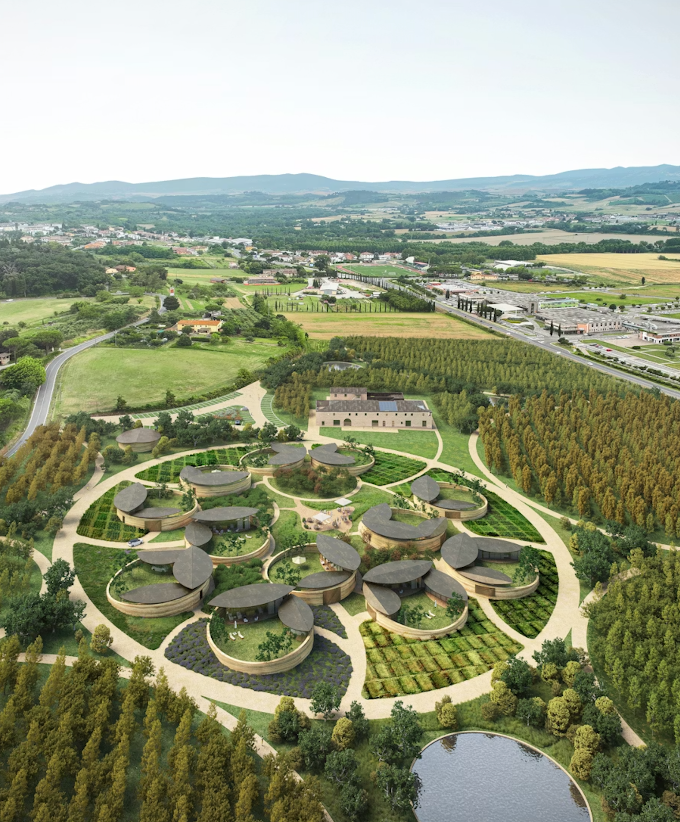
habitat, architecture
"The design of our schools is a choice. We can decide that our kids deserve beautiful, inspiring places to learn."
Ingrid Fetell Lee is a designer, researcher, and writer who studies how the built environment shapes joy, emotion, and well-being. In this article, she argues that most schools are unattractive not because beauty is costly, but because education systems prize efficiency, safety, and control over children’s emotional needs.
ARTICLE: How to Design a Better School Building
learning, Personal development
Don’t be afraid of the dark.
This is a dark and uncertain time. Joanna Macy reminds us that, like living cells in a larger body, it is natural to feel the world’s trauma. In a culture fixated on positivity and quick fixes, practicing radical acceptance—allowing things to be as they are, including painful emotions—can be a brave and transformative act rather than a passive one.
ARTICLE: In a culture obsessed with positive thinking, can letting go be a radical act?

ARTICLE: In New York City, congestion pricing leads to marked drop in pollution.
ARTICLE: Half of adults didn’t make a new friend last year.
ARTICLE: Among the many ethnic groups who fought in World War II to defend democracy from fascism, Indigenous Americans served at a higher percentage than any other ethnic group—more than a third of able-bodied Indigenous men between the ages of 18 and 50 joined the service.
ARTICLE: Half of adults didn’t make a new friend last year.
ARTICLE: Among the many ethnic groups who fought in World War II to defend democracy from fascism, Indigenous Americans served at a higher percentage than any other ethnic group—more than a third of able-bodied Indigenous men between the ages of 18 and 50 joined the service.
"Self interest is of the past.
Common interest is for the future."
— David Attenborough
december 19, 2025
Where the past lets go and becomes the future
"This is the solstice, the still point of the sun, its cusp and midnight, the year’s thresholdand unlocking, where the past lets go and becomes the future." - Margaret Atwood
culture, connections
A “different voice” that speaks from a premise of connection and responsibility rather than separateness and hierarchy
When Carol Gilligan wrote In a Different Voice in 1982, most ideas about moral development were still based almost entirely on research with boys and men. Their way of reasoning was treated as the only “mature” way to judge right and wrong.
BOOK: In A Different Voice
culture, commons
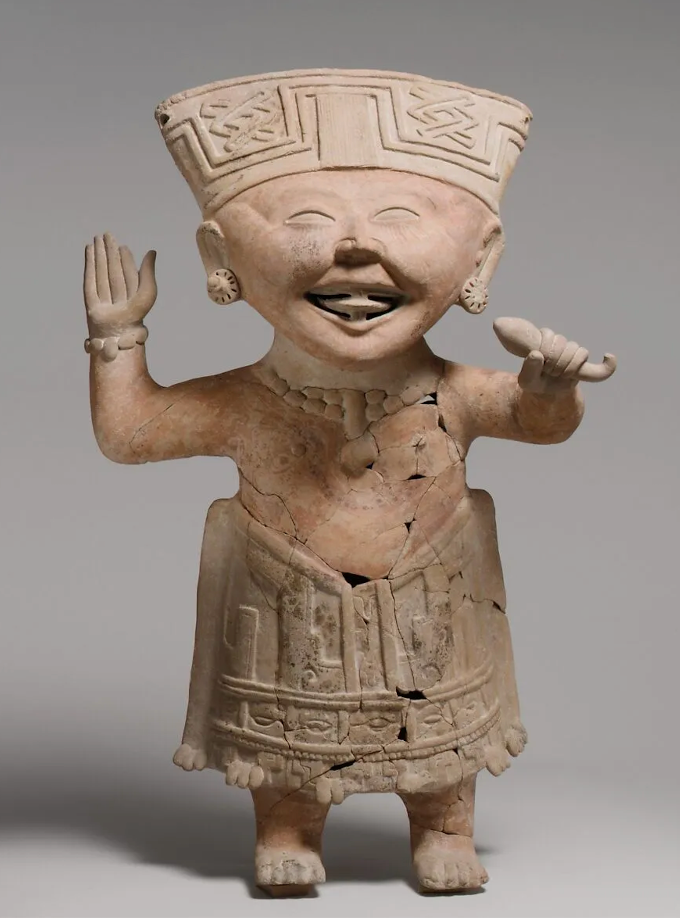
Why “heterarchy” might be a better way to describe the shifting roles and relationships that actually hold communities and institutions together.
Carole Crumley is an American anthropologist and archaeologist known for founding the field of historical ecology and for introducing the idea of heterarchy to explain power and complexity in human societies.
ARTICLE: The Central Role of Collaboration and Trust in Human Societies
civics, collaboration
A general blueprint for how any cooperative human group can function well
Elinor Ostrom was an American political scientist and political economist best known for showing that communities can successfully manage shared resources without relying only on government or markets. Her work challenged the idea that commons inevitably collapse into a “tragedy of the commons.”
ARTICLE: Generalizing the Commons

learning, history
Design history as a “practice of freedom”
bell hooks saw education as a “practice of freedom," an opportunity to invite marginalized voices, encourage open dialogue, and challenge dominant narratives rather than reproduce them. Boston University professor Kristen Coogan applies this same lens to graphic design history.
INTERVIEW: The Daily Heller: The Growth of New Design History Ecosystems
communications, storytelling
Stories help people understand that the futures we picture together can become the futures we build.
Within reparations work, the term “hope gap” describes the disconnect between support and belief. Many people back an issue, yet far fewer think meaningful change can realistically happen in their lifetime, especially around Black reparations and Indigenous Land Back.
RESEARCH REPORT: Fabric of Repair
habitat, architecture
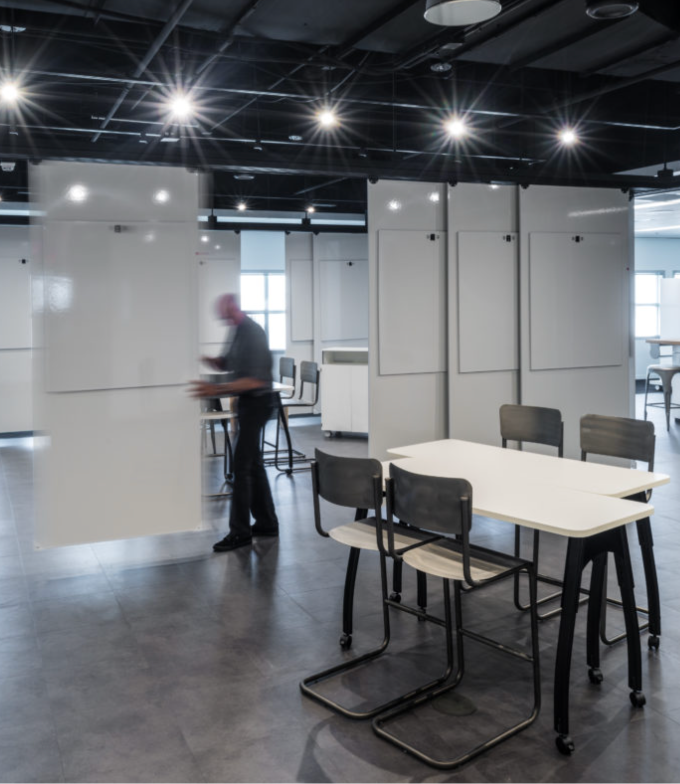
"The design of our schools is a choice. We can decide that our kids deserve beautiful, inspiring places to learn."
Ingrid Fetell Lee is a designer, researcher, and writer who studies how the built environment shapes joy, emotion, and well-being. In this article, she argues that most schools are unattractive not because beauty is costly, but because education systems prize efficiency, safety, and control over children’s emotional needs.
ARTICLE: How to Design a Better School Building
learning, Personal development
Don’t be afraid of the dark.
This is a dark and uncertain time. Joanna Macy reminds us that, like living cells in a larger body, it is natural to feel the world’s trauma. In a culture fixated on positivity and quick fixes, practicing radical acceptance—allowing things to be as they are, including painful emotions—can be a brave and transformative act rather than a passive one.
ARTICLE: In a culture obsessed with positive thinking, can letting go be a radical act?
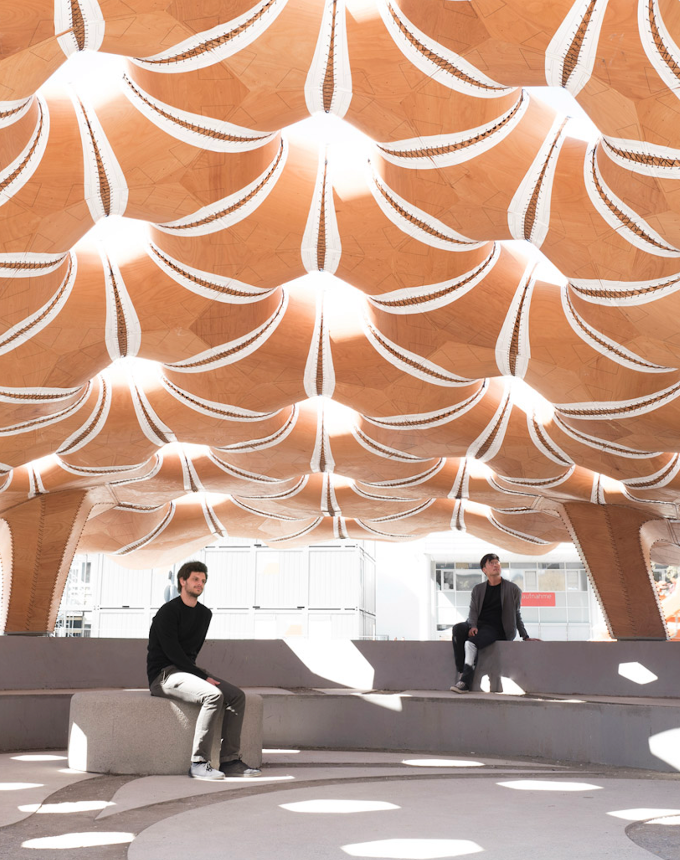
ARTICLE: In New York City, congestion pricing leads to marked drop in pollution.
ARTICLE: Half of adults didn’t make a new friend last year.
ARTICLE: Among the many ethnic groups who fought in World War II to defend democracy from fascism, Indigenous Americans served at a higher percentage than any other ethnic group—more than a third of able-bodied Indigenous men between the ages of 18 and 50 joined the service.
ARTICLE: Half of adults didn’t make a new friend last year.
ARTICLE: Among the many ethnic groups who fought in World War II to defend democracy from fascism, Indigenous Americans served at a higher percentage than any other ethnic group—more than a third of able-bodied Indigenous men between the ages of 18 and 50 joined the service.
"People wish to be settled; only as far as they are unsettled is there any hope for them."
— Ralph Waldo Emerson
december 12, 2025
Caring requires paying attention
“Caring requires paying attention, seeing, listening, responding with respect. Its logic is contextual, psychological. Care is a relational ethic, grounded in a premise of interdependence. But it is not selfless.” - Carol Gilligan
culture, connections
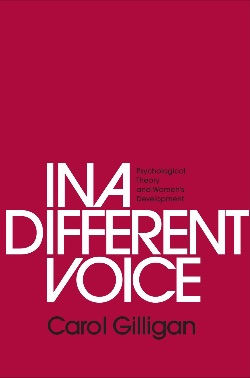
A “different voice” that speaks from a premise of connection and responsibility rather than separateness and hierarchy
When Carol Gilligan wrote In a Different Voice in 1982, most ideas about moral development were still based almost entirely on research with boys and men. Their way of reasoning was treated as the only “mature” way to judge right and wrong.
BOOK: In A Different Voice

culture, commons
Why “heterarchy” might be a better way to describe the shifting roles and relationships that actually hold communities and institutions together.
Carole Crumley is an American anthropologist and archaeologist known for founding the field of historical ecology and for introducing the idea of heterarchy to explain power and complexity in human societies.
ARTICLE: The Central Role of Collaboration and Trust in Human Societies
civics, collaboration
A general blueprint for how any cooperative human group can function well
Elinor Ostrom was an American political scientist and political economist best known for showing that communities can successfully manage shared resources without relying only on government or markets. Her work challenged the idea that commons inevitably collapse into a “tragedy of the commons.”
ARTICLE: Generalizing the Commons
learning, history
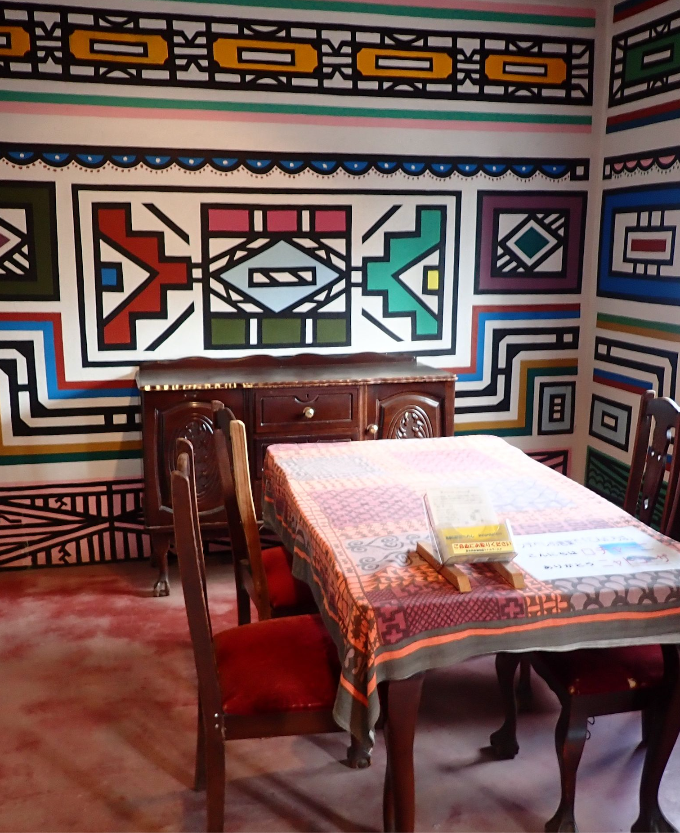
Design history as a “practice of freedom”
bell hooks saw education as a “practice of freedom," an opportunity to invite marginalized voices, encourage open dialogue, and challenge dominant narratives rather than reproduce them. Boston University professor Kristen Coogan applies this same lens to graphic design history.
INTERVIEW: The Daily Heller: The Growth of New Design History Ecosystems
communications, storytelling
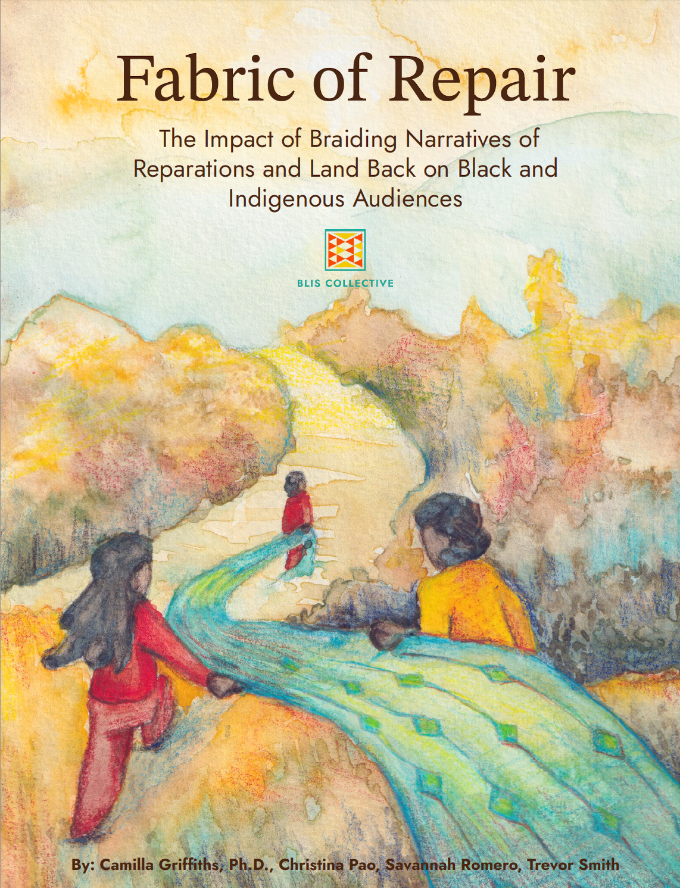
Stories help people understand that the futures we picture together can become the futures we build.
Within reparations work, the term “hope gap” describes the disconnect between support and belief. Many people back an issue, yet far fewer think meaningful change can realistically happen in their lifetime, especially around Black reparations and Indigenous Land Back.
RESEARCH REPORT: Fabric of Repair
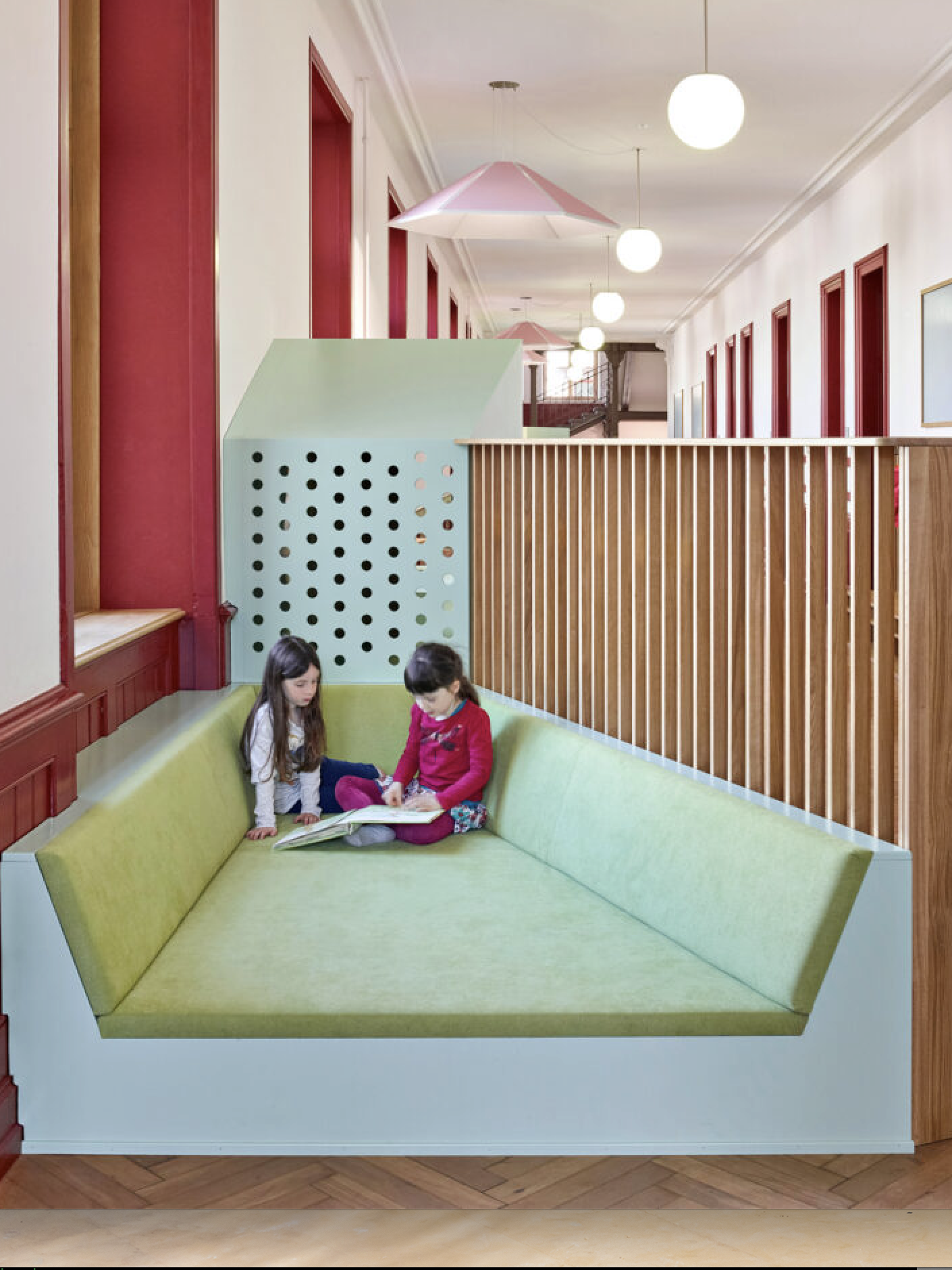
habitat, architecture
"The design of our schools is a choice. We can decide that our kids deserve beautiful, inspiring places to learn."
Ingrid Fetell Lee is a designer, researcher, and writer who studies how the built environment shapes joy, emotion, and well-being. In this article, she argues that most schools are unattractive not because beauty is costly, but because education systems prize efficiency, safety, and control over children’s emotional needs.
ARTICLE: How to Design a Better School Building
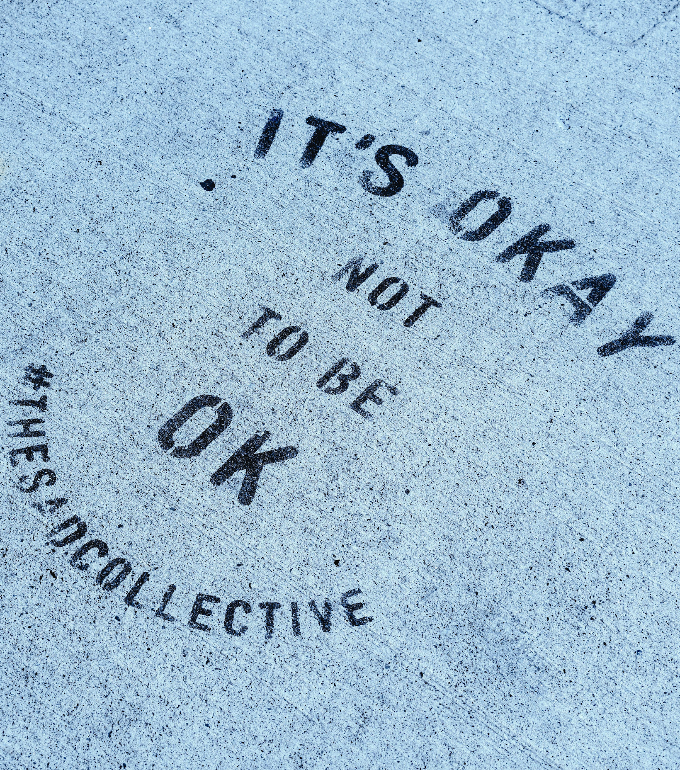
learning, Personal development
Don’t be afraid of the dark.
This is a dark and uncertain time. Joanna Macy reminds us that, like living cells in a larger body, it is natural to feel the world’s trauma. In a culture fixated on positivity and quick fixes, practicing radical acceptance—allowing things to be as they are, including painful emotions—can be a brave and transformative act rather than a passive one.
ARTICLE: In a culture obsessed with positive thinking, can letting go be a radical act?
ARTICLE: In New York City, congestion pricing leads to marked drop in pollution.
ARTICLE: Half of adults didn’t make a new friend last year.
ARTICLE: Among the many ethnic groups who fought in World War II to defend democracy from fascism, Indigenous Americans served at a higher percentage than any other ethnic group—more than a third of able-bodied Indigenous men between the ages of 18 and 50 joined the service.
ARTICLE: Half of adults didn’t make a new friend last year.
ARTICLE: Among the many ethnic groups who fought in World War II to defend democracy from fascism, Indigenous Americans served at a higher percentage than any other ethnic group—more than a third of able-bodied Indigenous men between the ages of 18 and 50 joined the service.
"Self interest is of the past.
Common interest is for the future."
— David Attenborough
december 5, 2025
Opportunities disguised as problems
“What we have before us are some breathtaking opportunities disguised as insoluble problems." - John W. Gardner
learning, creativity
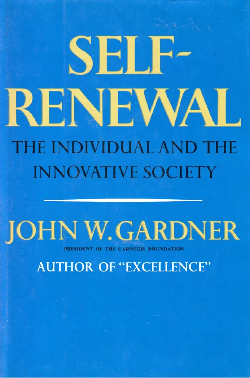
"The society capable of continuous renewal not only is oriented toward the future but looks ahead with some confidence."
John W. Gardner was a major American public servant and civic reformer in the 20th century. A Republican serving in a Democratic administration, he was Secretary of Health, Education, and Welfare under President Lyndon B. Johnson from 1965 to 1968.
BOOK: Self-Renewal: The Individual and the Innovative Society
culture, islands of sanity
“We cannot change the way the world is, but by opening to the world as it is we may discover that gentleness, decency, and bravery are available."
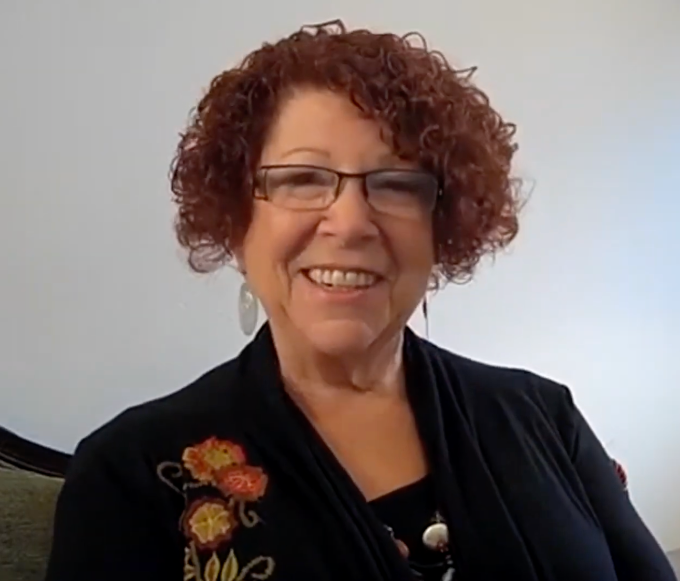
In this interview with Tami Simon of Sounds True, Margaret Wheatley speaks candidly about daily experiences of rage, grief, fear, and powerlessness. She fears that we’ve reached tipping points on major issues—climate, justice, democracy—where we no longer have the means or political will to create the large-scale change many activists once imagined.
INTERVIEW: Margaret Wheatley: Warriors For The Human Spirit
culture, place
Regenerating nature, communities, and local economies through systems change
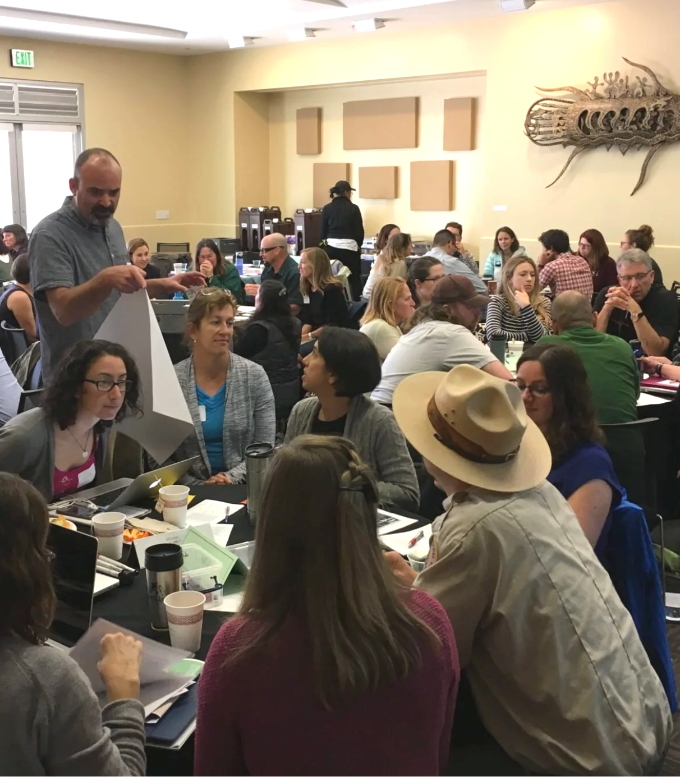
If Matt Biggar had a magic wand, then corporate capitalist structures that drive extraction and disconnection would lose their grip, replaced by locally rooted economies that prioritize ecological limits, shared prosperity, and belonging. He doesn't, so he sketched a framework that shows people how to see, map, and change the systems in their own place so daily life becomes more connected, local, and regenerative.
BOOK EXCERPT: Putting Systems Change in Place
civics, socialism
"Socialism has been as impossible to separate from the narrative of the nation’s history as the capitalist economy itself."
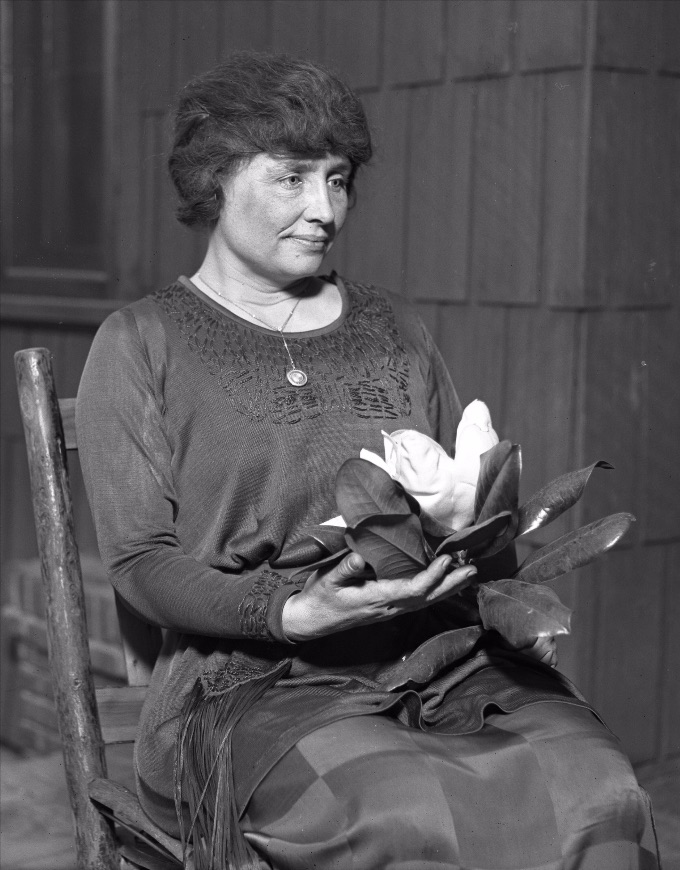
Michael Kazin is an American historian of U.S. politics and social movements, known for his scholarly work on the American left, populism, and the Democratic Party. In this article he observes that socialism has been a steady and shaping force in U.S. political and cultural life, even though socialist parties have rarely held significant electoral power.
ESSAY: A Brief History of American Socialism
civics, libraries
Given libraries’ unique combination of broad accessibility, civic neutrality, and deep public trust, policymakers should embed them intentionally within health and social planning frameworks.
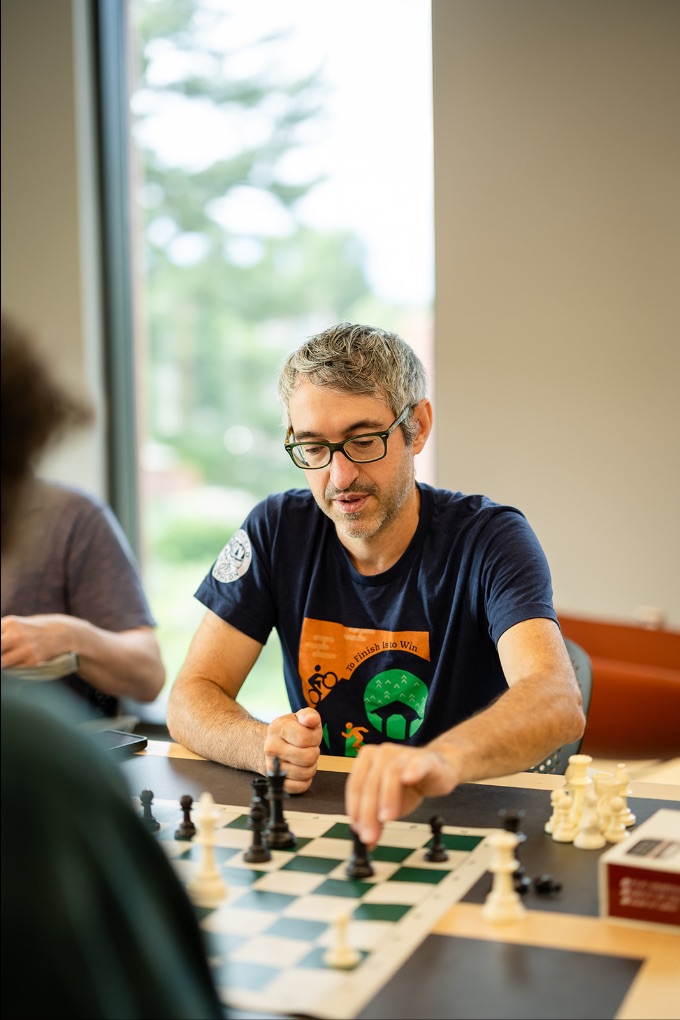
Our city, Greenfield, Massachusetts, is the proud owner of a brand-new library right in the center of town. Since opening in 2023, visits are up more than 200 percent. Program attendance, use of study and meeting rooms, and reference and notary support have all surged. Computer use is up more than 300 percent.
ARTICLE: How Public Libraries Help Build Healthy Communities

company, social purpose
A brand designed to disappear over time
Plasticity is a Japanese upcycling brand that turns discarded plastic umbrellas into bags and accessories, while openly aiming to eliminate the waste stream that makes its business possible—so the company can “disappear” within a decade.
ARTICLE: Plasticity: A Brand that Hopes to No Longer Exist in Ten Years
learning, Personal development
Equanimity is something you do, not something you have; it is a lived way of moving through the world.
Michael Uebel is a psychotherapist and writer whose work sits at the intersection of psychology, intellectual history, and contemplative practice. Frustrated by the way equanimity is usually described—as calm, stillness, or emotional dampening—he went looking for a more dynamic understanding, one he found echoed across Western and Eastern traditions.
ARTICLE: Equanimity is Not Stillness – It is a Mobility of the Mind
ARTICLE: B Corps in the UK are outperforming other similar businesses in turnover growth, growth funding and resilience.
ARTICLE: How one Seattle organization is turning food waste into plant food.
ARTICLE: New analysis shows that charred coffee grounds increase concrete's strength by 30% and shrink its carbon footprint by nearly as much.
ARTICLE: How one Seattle organization is turning food waste into plant food.
ARTICLE: New analysis shows that charred coffee grounds increase concrete's strength by 30% and shrink its carbon footprint by nearly as much.
ARTICLE: North Dakota is on track to be first in nation with 100% broadband internet access.
"Progress is people flourishing."
-Ted Gioia
NOVEMBER 28, 2025
Active hope as a guiding light
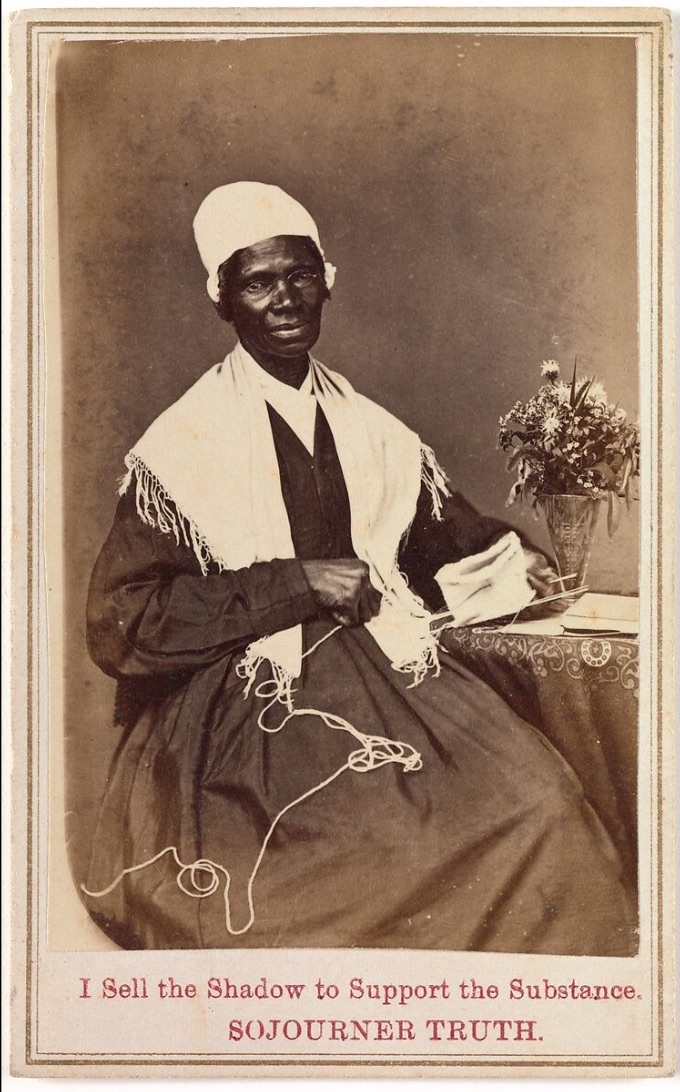
“I will not allow the light of my life to be determined by the darkness around me. ”— Sojourner Truth
TEACHING, ADVOCACY
"A remarkable story of self-possession under the most dehumanizing circumstances"
Before Susan B. Anthony, Rosa Parks, and Maggie Kuhn, there was Sojourner Truth. Today she’d be called a badass with brass balls. In her own time she was known as a “fiery abolitionist” and a “riveting preacher” with a straight-talking, unsentimental style.
ARTICLE: The Remarkable Untold Story of Sojourner Truth
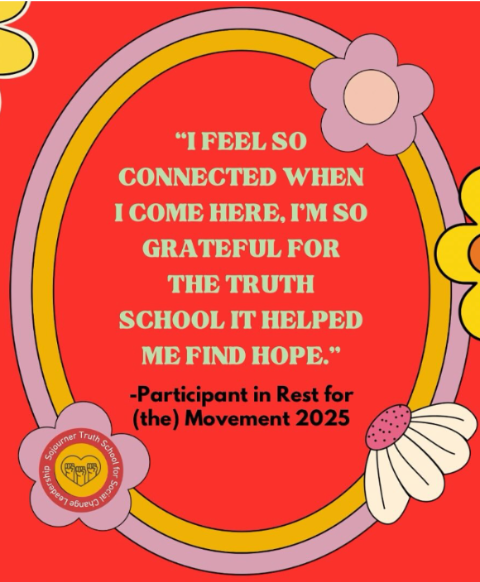
teaching, schools
Free education classes that equip people with the tools to actively engage in movements for justice and peace
The Sojourner Truth School for Social Change Leadership is named after Sojourner Truth to honor her work as an activist for justice, freedom, and honesty.The school launched in Northampton, Mass. in 2017, sparked by the waves of grassroots activism that followed Donald Trump’s first election.
WEBSITE: The Sojourner Truth School For Social Change Leadership

learning, JOY
Joy is resistance
Ryan Urie asks how can we be joyful when our country is so divided, the planet is warming out of control, our democracy has been coopted by wealth, and wars are raging across the globe? Because, he says, times have been this bad before, and historically joy is what redeems life’s inevitable struggles.
ESSAY: Finding Joy in Dark Times
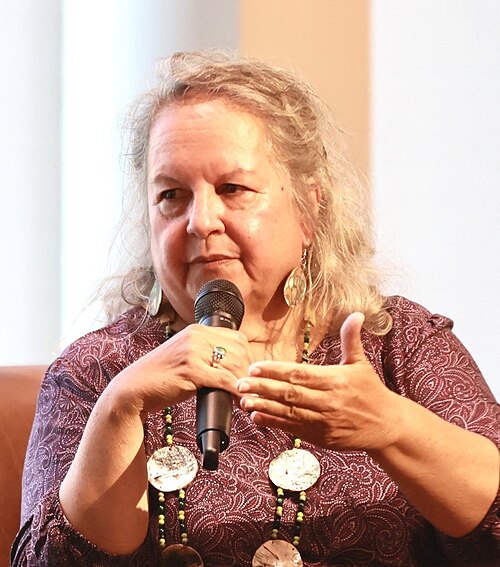
economics, gift economy
How can we learn from Indigenous wisdom and ecological systems to reimagine currencies of exchange?
This week my friend and colleague Beth Tener wondered aloud how a country as wealthy as ours can leave so many people without the stability and opportunity our prosperity should make possible. She pointed us to Robin Wall Kimmerer’s reimagining of how we exchange value.
ARTICLE: The Serviceberry. An Economy of Abundance
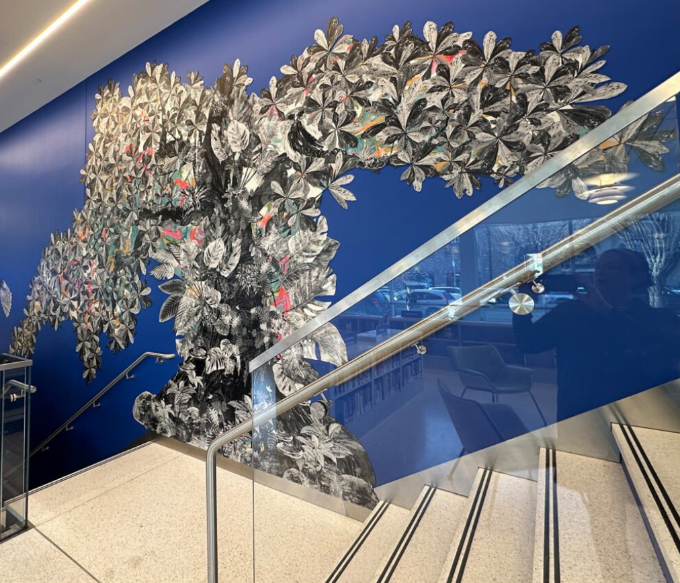
CULTURE, social intelligence
Libraries as commons-builders and cultural scaffolding
Libraries are among our most important builders of the commons—public spaces, shared knowledge, and collective imagination that belong to everyone. At a time when information is increasingly privatized, restricted, or distorted by ideological attacks, libraries stand as frontline defenders of public knowledge.
ARTICLE: Extralibrary Loan

company, hybrid working
The COVID pandemic provided evidence that remote and hybrid working practices could work for a wide variety of jobs.
Jane Parry is a UK-based sociologist whose applied research examines changing workplaces, workforce inequalities, and especially flexible, remote, and hybrid work.
ARTICLE: What Five Years Of Evidence On Hybrid Working Tells Us About The Future Of Employment
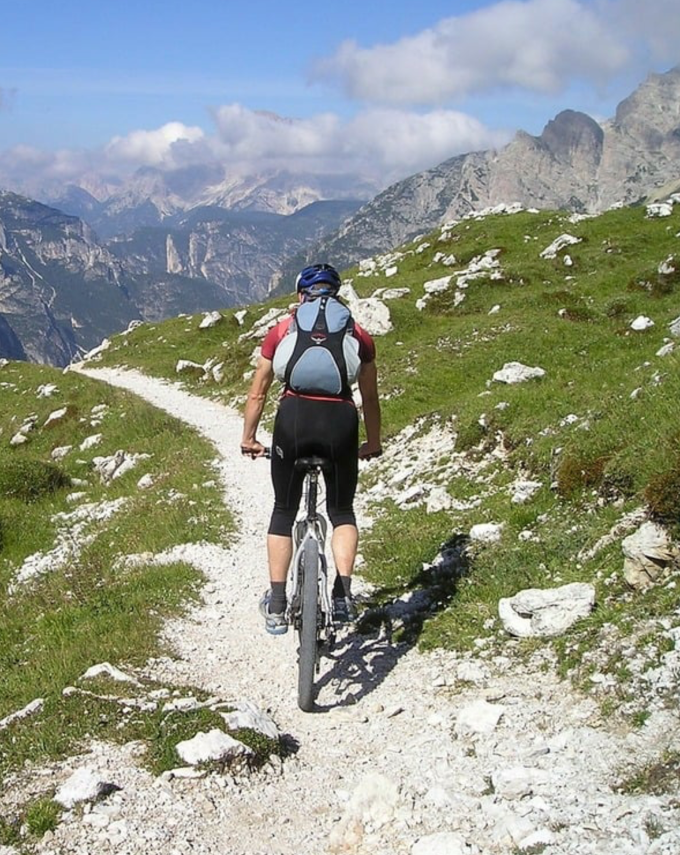
learning, Personal development
A simple way to improve at something is to imitate someone more skilled than you.
Cate Hall makes a simple observation: humans are mimicry machines. Babies learn this way, absorbing the sounds of native speakers long before they understand grammar, and mastering walking, facial expressions, and social cues through imitation.
ARTICLE: How to Be Instantly Better at Things
ARTICLE: What if AI were developed as a public utility rather than as a commercial service?
ARTICLE: Hackers are reviving early Nest thermostats abandoned by Google.
ARTICLE: Global demand for palm oil is growing 4% a year. Meeting future demand would require clearing rainforests 1.5 times the size of Ireland. A Dutch startup is converting food industry side streams into microbial oils that rival palm oil’s versatility while slashing its footprint.
ARTICLE: Hackers are reviving early Nest thermostats abandoned by Google.
ARTICLE: Global demand for palm oil is growing 4% a year. Meeting future demand would require clearing rainforests 1.5 times the size of Ireland. A Dutch startup is converting food industry side streams into microbial oils that rival palm oil’s versatility while slashing its footprint.
WEBSITE: Inventors say that a new film that can be made from food waste is as effective as conventional plastics at shielding food from moisture and oxygen.
"Progress is people flourishing."
-Ted Gioia
NOVEMBER 21, 2025
Going beyond what we think
"The essence of creativity is figuring out how to use what you already know in order to go beyond what you already think." - Jerome Bruner

TEACHING, CURRICULUM
“Learning how to learn is the ultimate skill.”
Jerome Bruner wrote this book in 1960, when teaching largely relied on rote memorization, rigid curricula, and the passive transfer of facts from teacher to student. He was among the first to suggest that education’s highest purpose is to cultivate the ability to actively construct knowledge, not simply store information.
BOOK: The Process of Education
learning, futures thinking
"Political violence behaves like other self-organizing natural phenomena—wildfires, earthquakes, or epidemics. "
Complexity science examines how the interacting parts of a system shape the whole in ways that can’t be understood by studying each component in isolation.
ARTICLE: History as Science: How Complexity Thinking Is Transforming Foresight

learning, IMPROV
Embracing vulnerability, making decisive choices, and active listening are learnable skills.
My mind opens a bit every time someone uses the phrase “yes/and” in conversation. The term comes from improv, where a performer accepts what another has introduced (“yes”) and then adds something new (“and”).
ARTICLE: Second City’s Side Hustle: Helping CEOs Improvise

culture, CRAFT
"Started with love...finished with care"
Friends Jennifer Simonic and Masey Kaplan are lifelong knitters. Jen jokes that she was “the weirdo knitting under the desk in 6th grade,” and Masey says knitting got her through the pandemic as she “stitched below the Zoom line, where no one could see.”
WEBSITE: Loose Ends

CULTURE, LIBRARIES
"As more libraries act as community centers for teens, they are meeting needs that schools, among other institutions, are unable to serve."
If you still think libraries are just quiet rooms full of books and shushing, it’s time to look again. Today they offer far more: technology access, museum and park passes, digital media, tools, and a wide range of community programs.
ARTICLE: Why Teens Love to Hang Out at the Library

NATURE, PUBLIC POLICY
Political divides are bridged by appreciation for nature.
As the federal government cuts back environmental protections, reduces climate monitoring, opens more public land to logging and mining, and weakens endangered species safeguards, a new 2025 report from the World Wildlife Fund (WWF) shows that 3 out of 4 people in the U.S. see nature as essential to their wellbeing.
ARTICLE: Divided Americans United in Cherishing Nature

learning, HOPE
"Hope is dedication to life."
Rev. Indira Grace Huerta writes that "the blatant racism, xenophobia, religious persecution, environmental assaults and political and governmental disregard for life—all life, including the accused, the poor, the marginalized, the elderly, as well as nature and our planet—have taken their toll on my heart and mind." She reports that this feeling of hopelessness became so palpable that she was almost paralyzed by it.
ESSAY: Hope is a Verb

ARTICLE:You can now borrow contemporary art at the Brooklyn Public Library—for free
ARTICLE: Elon Musk's projected earnings for 2025 will exceed the combined annual salaries of all U.S. elementary school teachers.
ARTICLE: A former high-ranking homeland security official in the first Trump administration has launched a new online platform to facilitate protests and other resistance efforts against President Trump and his policies.
ARTICLE: Elon Musk's projected earnings for 2025 will exceed the combined annual salaries of all U.S. elementary school teachers.
ARTICLE: A former high-ranking homeland security official in the first Trump administration has launched a new online platform to facilitate protests and other resistance efforts against President Trump and his policies.
WEBSITE: An organization dedicated to the collection, conservation, study and educational use of ephemera
"Progress is people flourishing."
-Ted Gioia
NOVEMBER 14, 2025
Reason to enjoy the future
“You can analyze the past, but you need to design the future. That is the difference between suffering the future and enjoying it." - Edward de Bono

learning, futures thinking
“If you do not design the future, someone or something else will design it for you.”
Here’s a delightfully radical perspective: we do not need to suffer the future. In fact, since the future exists only as a conceptual exercise in possibility, we have every reason to enjoy it.
BOOK: New Thinking for the New Millennium

learning, futures thinking
We don't spend much time imagining all the possibilities the future holds.
Bina Venkataraman says that humans have a superpower that we ignore. She is a science policy expert, journalist, and author working at the crossroads of social progress, environmental change, and science policy.
TED TALK: The power to think ahead in a reckless age | Bina Venkataraman

learning, futures thinking
"The only way to relegate yesterday’s news to the dustbin of history is to rebel today by re-imagining tomorrow."
I love Edward de Bono’s reminder that we can enjoy the future. Solarpunk is a transdisciplinary movement—spanning literature, art, and activism—that celebrates the radical hope required to make that possible.
ARTICLE: Solarpunk: Radical Hope

culture, art
“Art is the science of freedom.”
The quote in the headline is by Joseph Beuys (1921–1986), the German artist, teacher, and activist who expanded the definition of art by emphasizing the artist’s role in shaping political and cultural change.
ESSAY: The Creative Essence of Zohran Mamdani’s Ascent

teaching, joy
"Joy should be the ultimate goal of teaching and learning."
Gholdy Muhammad sees a pressing need for joy in school environments. She notes that teachers often tell her they feel overwhelmed and stressed, and the mental health of students is in serious decline.
AUTHOR INTERVIEW: Gholdy Muhammad Champions ‘Unearthing Joy’ in Her New Book

company, corporate responsibility
"We exist to save our home planet."
Sarah Weinman is an author, journalist, and crime fiction expert widely regarded as one of the leading voices in crime and mystery writing. On June 28, 2025, she delivered the keynote address at the American Library Association’s annual convention.
WEBPAGE: Work in Progress Report
learning, personal development
"My heart is at peace, peace generated from my faith in interbeing, in impermanence, and in continuation."
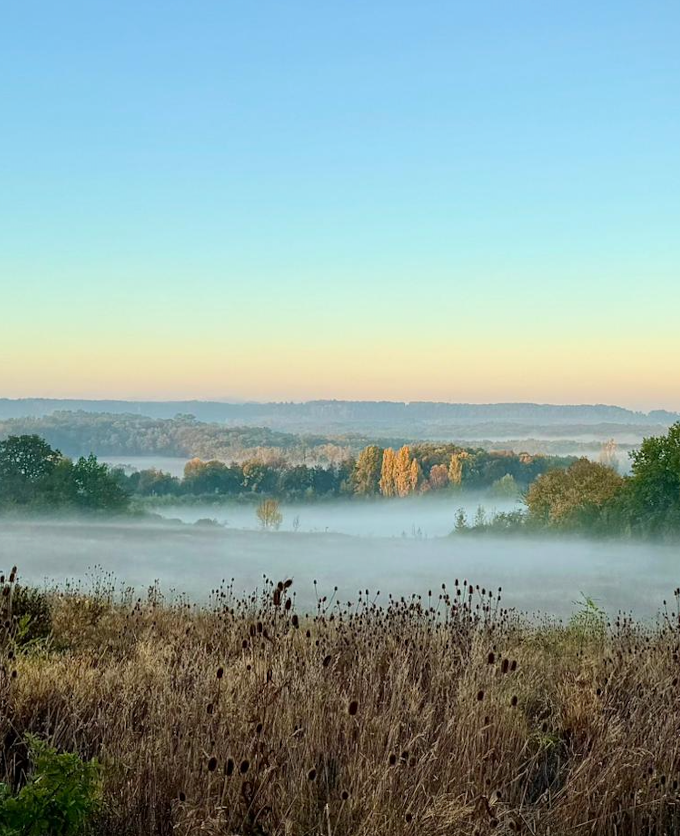
Mick McEvoy is the manager and head of the permaculture garden known as the Happy Farm, at Plum Village, the Buddhist monastery founded by Thich Nhat Hanh in France.
ESSAY: The Wisdom of Autumn: The Reality of Interbeing is Unsurpassed.
"I am always doing what I can't do yet
in order to learn how to do it."
- Vincent Van Gogh
NOVEMBER 7, 2025
The difficulty is not in the new ideas
"The difficulty lies not in the new ideas, but in escaping from the old ones." — John Maynard Keynes
CIVICS, DEMOCRACY
A powerful guide for defending freedom, pluralism, and rational problem-solving
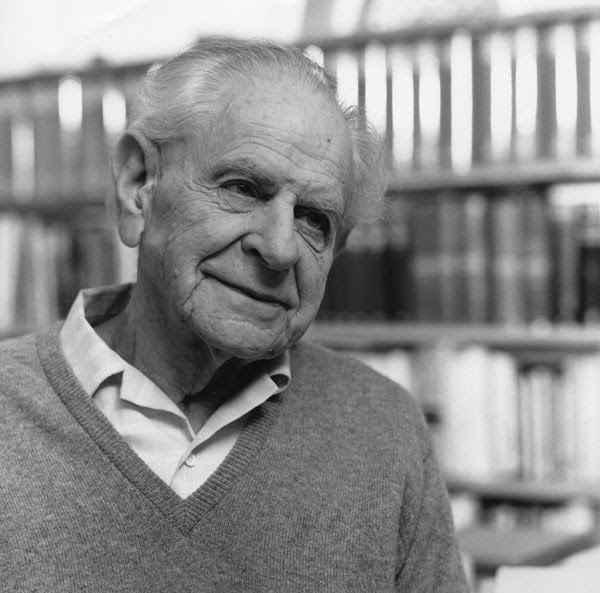
Karl Popper (1902–1994) was an Austrian-British philosopher whose insights are especially relevant today. Having fled Austria in 1937 as the Nazis rose to power, he became a sharp critic of the philosophical roots of totalitarianism.
BOOK: The Open Society and Its Enemies
LEARNING, FLIP THE SCRIPT
How to escape from old ideas
Margaret J. Wheatley and Deborah Frieze's book Walk Out Walk On follows ordinary people from seven communities—in Mexico, Brazil, the United States (Ohio), South Africa, Zimbabwe, India, and Greece—who have “walked out” of broken systems and dependency on outside solutions and “walked on” to build resilient, creative, and self-sustaining communities.
WEBSITE: Walk Out Walk On
learning, systems thinking
How we can choose a better route into the future
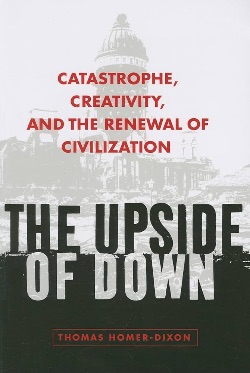
In 2006 Thomas Homer-Dixon, a political scientist and complexity theorist, warned that converging energy, environmental, and political-economic stresses could cause a breakdown of national and global order.
BOOK: The Upside of Down, Catastrophe, Creativity and the Renewal of Civilization
civics, social imagination
"Just keep moving forward, even if the steps are small.”
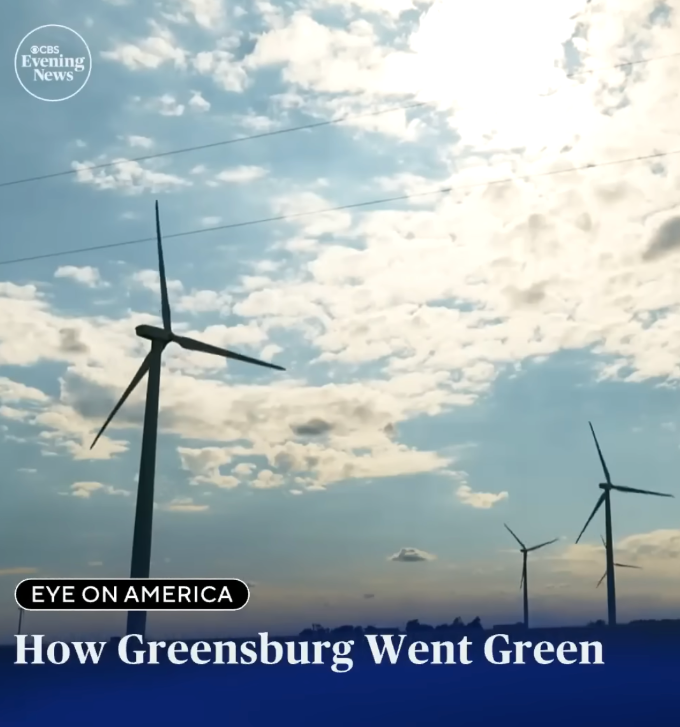
In 2007, the town of Greensburg, Kansas was nearly wiped off the map by a catastrophic EF-5 tornado. Ten people lost their lives, and the storm caused more than a quarter-billion dollars in damage.
VIDEO: Kansas town goes green while rebuilding after devastating tornado.
culture, performance
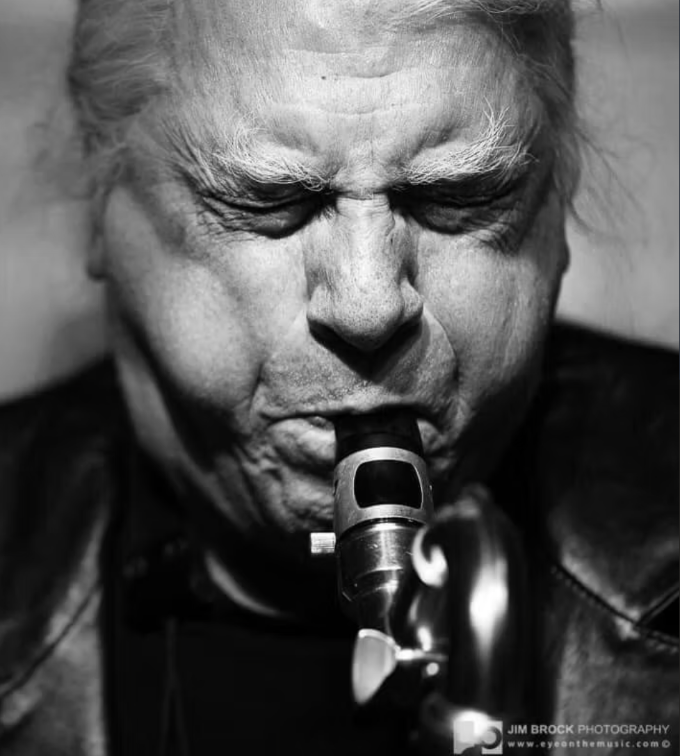
Using the CSA model for jazz performance
Farm shares allow consumers to support local farms by purchasing shares in the harvest. Pioneer Valley Jazz Shares lets music fans invest in local jazz by buying in to concerts before they are staged.
WEBSITE: Pioneer Valley Jazz Shares
culture, libraries
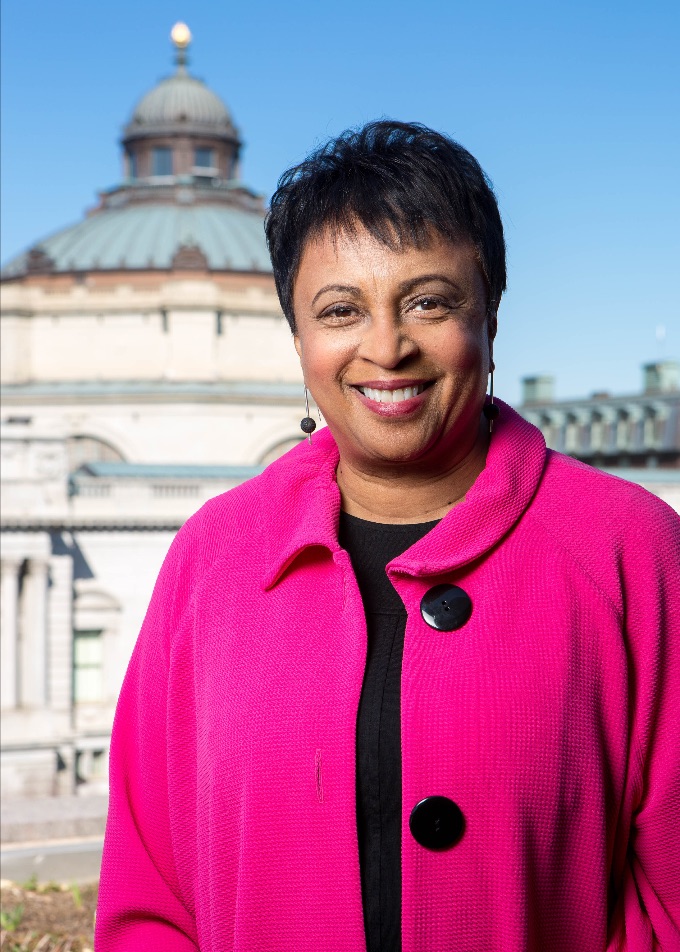
"A good fight begins with books. A good fight begins with all of you."
Sarah Weinman is an author, journalist, and crime fiction expert widely regarded as one of the leading voices in crime and mystery writing. On June 28, 2025, she delivered the keynote address at the American Library Association’s annual convention.
ARTICLE: In Praise of Librarians in Dangerous Times
"I am always doing what I can't do yet
in order to learn how to do it."
- Vincent Van Gogh
OCTOBER 31, 2025
Discovering new forms, new symbols and new patterns
"Whereas moral courage is the righting of wrongs, creative courage, in contrast, is the discovering of new forms, new symbols, new patterns on which a new society can be built." - Rollo May
company, complexity
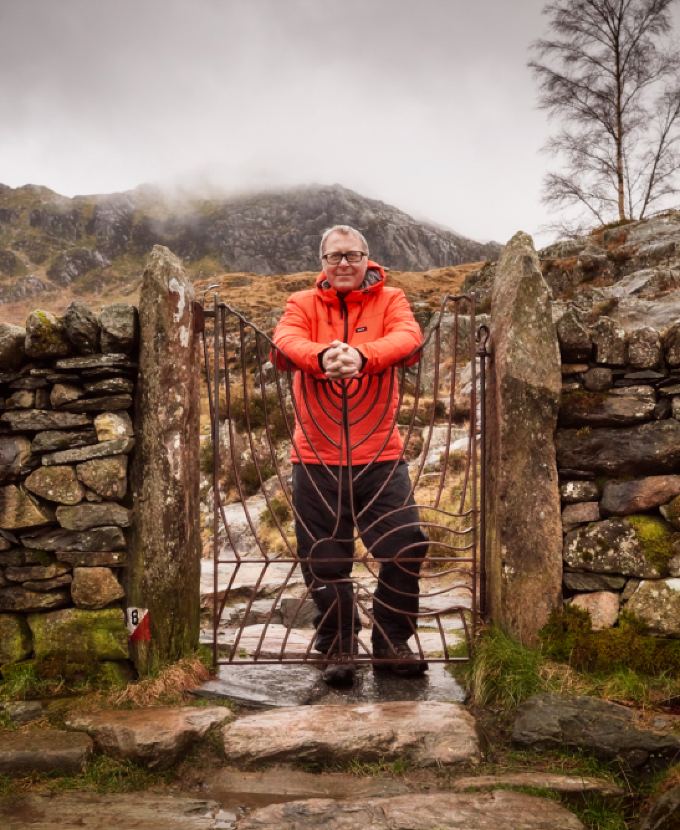
"What we face at the tail end of our industrial society is a design problem."
One of the reasons I feel hopeful about our collective future is that change itself changes. The mindset that got us here—linear, industrial, growth-at-all-costs thinking—no longer defines the path ahead.
ARTICLE: An Introduction to the Book No Straight Lines: Making Sense of our Non-linear World
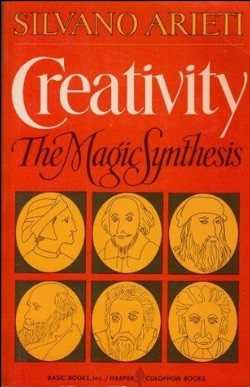
CULTURE, creativity
Creativity as a defense against authoritarianism and cultural stagnation
Born in Italy, Silvano Arieti emigrated to the United States in 1939 to escape fascist persecution as a Jew. He became a professor of psychiatry at New York Medical College and served as chief of psychiatry at Metropolitan Hospital in New York.
BOOK: Creativity: The Magic Synthesis
communication, social messaging
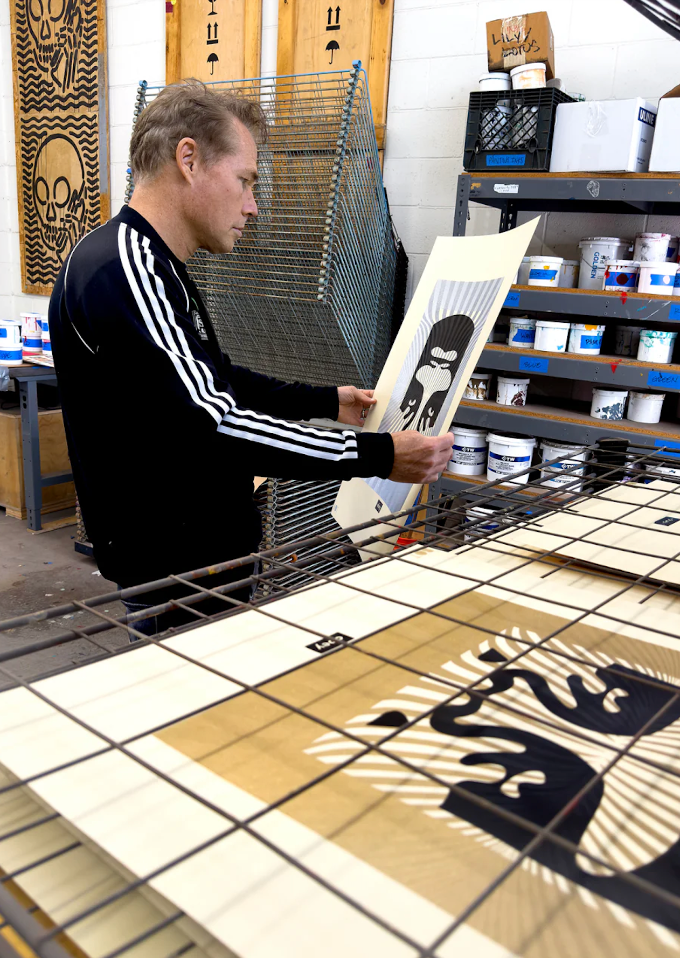
An exhibition that celebrates the rebellious, democratic force of ink and paper
SHEPARD FAIREY: OUT of PRINT is an exhibition exploring the artist’s lifelong dialogue with printmaking. The 2008 Obama “Hope” poster made Fairey’s style famous, showing the power of shared art to move people and define a moment.
ARTICLE: Beyond The Streets Presents Shepard Fairey: Out Of Print
teaching, teal management
Reimagining school leadership as a collaborative structure that empowers individuals at every level of the system.
As a student of Teal Management principles popularized by Frederic Laloux in Reinventing Organizations, I was interested to read Dr. Lindsay Whorton’s ideas on rethinking leadership structures in schools.
BOOK: A New School Leadership Architecture: A Four-Level Framework for Reimagining Roles
company, systems thinking
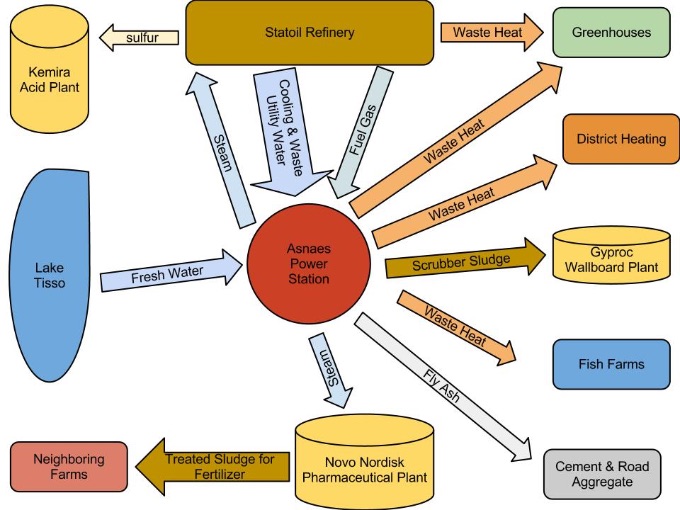
Kalundborg, Denmark, has set the standard for how industries can collaborate to reduce waste, save resources, and cut costs.
Industrial circularity is a systems-based approach to production that eliminates waste by turning one company’s byproducts into another’s resources. The result is a closed-loop, regenerative network that benefits the environment, the economy, and the community.
ARTICLE: Case Study: Kalundborg Industrial Symbiosis
nature, public health
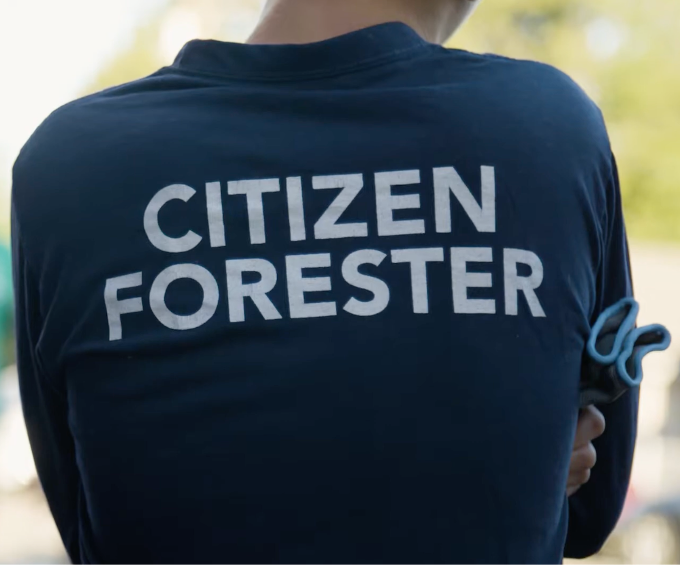
The Power of Trees for Public Health
The Green Heart Project in Louisville, Kentucky, is a pioneering study that links urban greening to human health. Launched in 2018, it’s a controlled, community-based trial in a racially diverse, working- to middle-class area of south Louisville with about 30,000 residents.
ARTICLE: The Green Heart Louisville Project
COMMUNICATION, SOCIAL MESSAGING
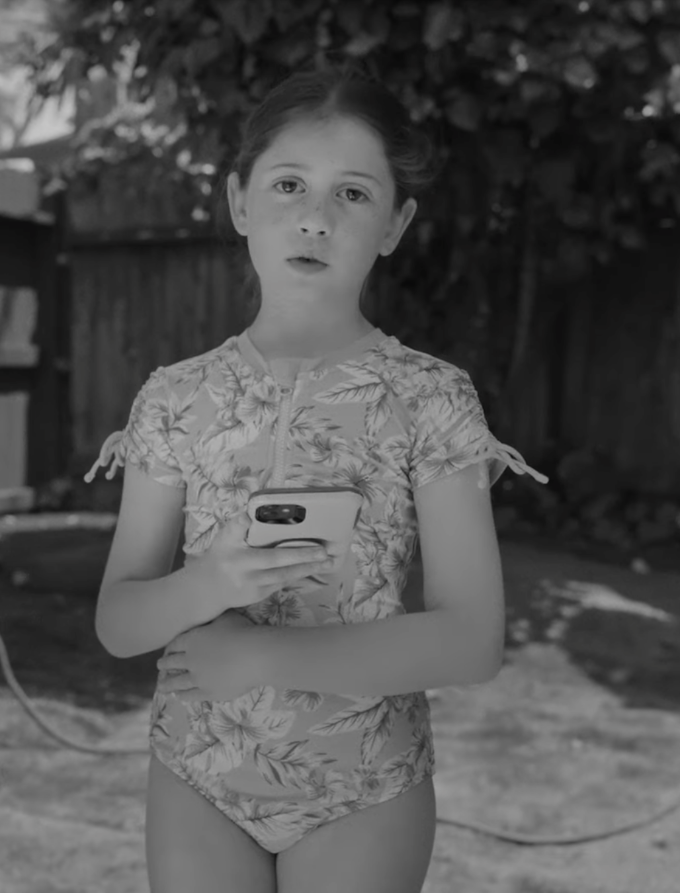
"If you give me a smart phone then I'll be able to ask everyone - everyone - whether or not I look pretty in this bathing suit."
The Phone-Free Schools Movement is a nonprofit organization advocating for bell-to-bell phone-free school environments, allowing students to focus, connect, and build relationships without the constant pull of social media.
VIDEO: If You Give Me A Smartphone—PSA
"I am always doing what I can't do yet
in order to learn how to do it."
- Vincent Van Gogh
OCTOBER 24, 2025
Joy is a fine act of insurrection.
“Joy doesn’t betray but sustains activism. And when you face a politics that aspires to make you fearful, alienated and isolated, joy is a fine initial act of insurrection.” - Rebecca Solnit
Civics
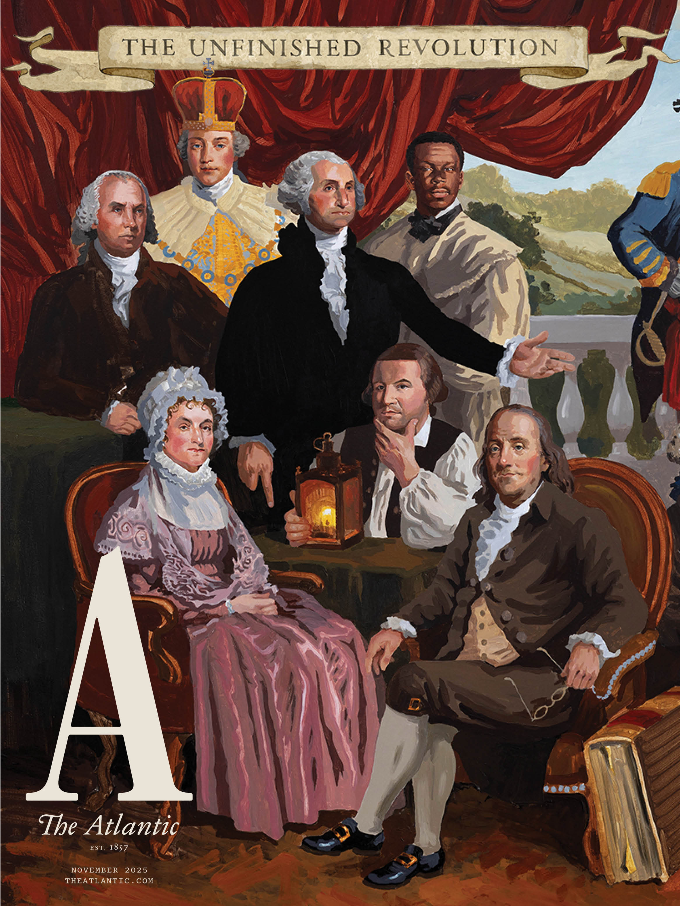
"This crisis is not about election cycles. It’s about historical tides."
The cover theme of The Atlantic’s November 2025 issue is “The Unfinished Revolution.” The editors mark the 250th anniversary of America’s founding and explore how the ideals, struggles, and unfinished business of the Revolution continue to shape the nation’s present and future.
ARTICLE: America Needs a Mass Movement Now
Civics
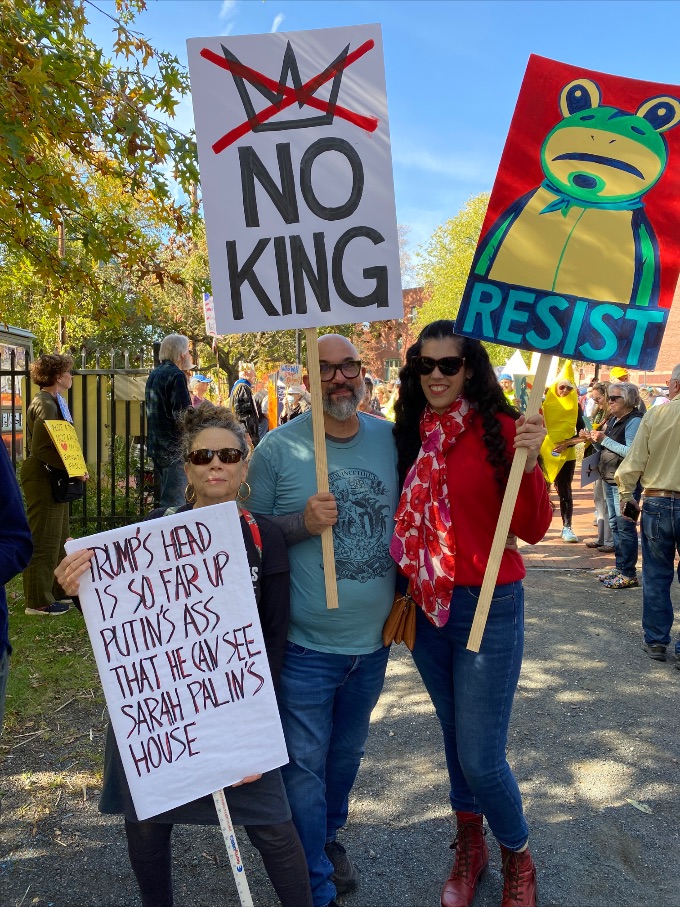
National ideals can still be organized and renewed, one neighborhood at a time.
On October 18, communities across the United States and beyond turned a day of protest into a vivid demonstration of grassroots coordination—proof that national ideals can still be organized and renewed, one neighborhood at a time.
ARTICLE: No Kings Protests (June 2025)
Civics
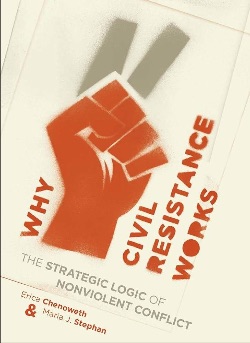
Nonviolent civil resistance is not just morally preferable—it is strategically superior for securing freedom and sustaining democracy.
Political scientists Erica Chenoweth and Maria J. Stephan have reshaped how we understand the power of ordinary people to create change and defend democracy.
BOOK: Why Civil Resistance Works. The Strategic Logic of Nonviolent Conflict
Habitat
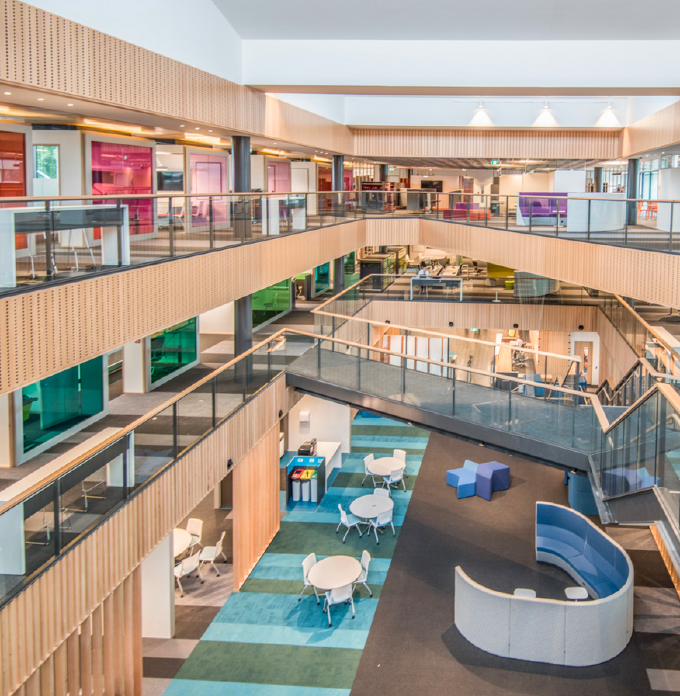
The best measure of success in workplace design is how people feel at work.
In the 1990s, Veldhoen + Company, a workplace strategy and management consulting company based in the Netherlands, introduced Activity-Based Working (ABW), an approach to workplace design that aligned physical spaces (“bricks”), technology (“bytes”), and organizational culture (“behavior”) to support different types of work.
ARTICLE: Experience-Based Working: Putting People First is the Way Forward
Company
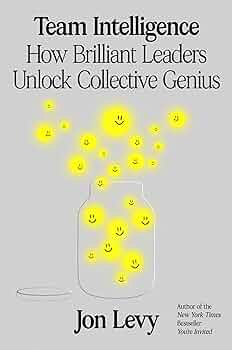
True leadership is the art of amplifying collective intelligence.
Jon Levy sees leadership as the art of amplifying group intelligence. He thoroughly busts the myth of the “heroic leader,” making a clear case that great leaders don’t succeed through charisma but by building cultures of strong collaboration.
BOOK: Team Intelligence. How Brilliant Leaders Unlock Collective Genius

Communication
"I guess what I'm trying to say is I want to exist in a world where I don't have to think about these things, ever again."
This ad works because it’s direct, honest, and plainspoken. It speaks to human needs and desires we all share.
VIDEO: End Violence Against Women Coalition: 20th Anniversary
Learning
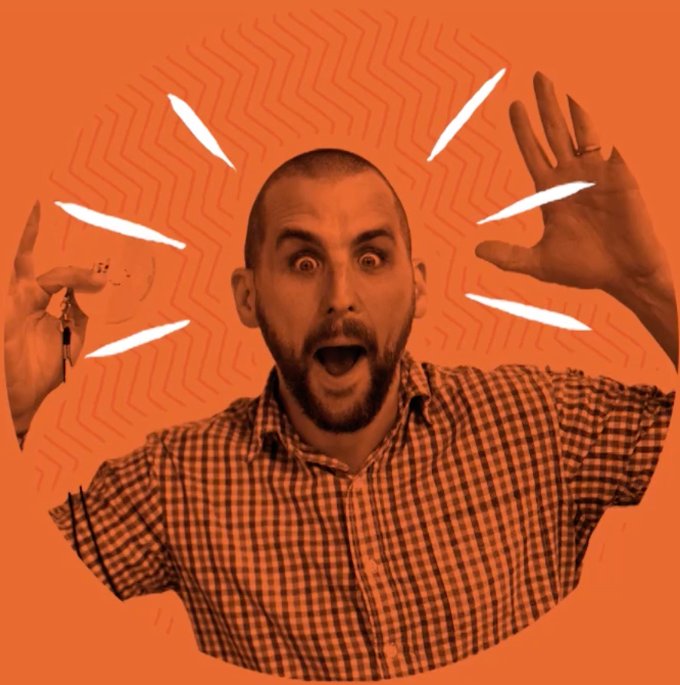
Complaints are a really lousy way to express and idea.
Scott Berkun, an author and speaker on innovation, creativity, and design, thinks that complaining is a lousy way to initiate real change. Instead, he urges people to channel their frustrations into constructive action.
ARTICLE: Why You Should Stop Complaining
One-liners
"We must all do our work.
Be accountable and go heal, simultaneously, continuously. It’s never too late. Each of us is precious. We, together, must break every cycle that makes us forget this."
— adrienne maree brown
OCTOBER 17, 2025
Three things in human life are important.
"Three things in human life are important. The first is to be kind. The second is to be kind. And the third is to be kind." - Henry James
Culture
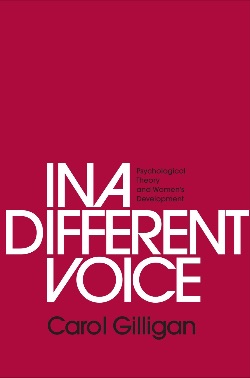
A “different voice” that speaks from a premise of connection and responsibility rather than separateness and hierarchy
When Carol Gilligan wrote In a Different Voice in 1982, most ideas about moral development were still based almost entirely on research with boys and men. Their way of reasoning was treated as the only “mature” way to judge right and wrong.
BOOK: In A Different Voice

Culture
Why “heterarchy” might be a better way to describe the shifting roles and relationships that actually hold communities and institutions together.
Carole Crumley is an American anthropologist and archaeologist known for founding the field of historical ecology and for introducing the idea of heterarchy to explain power and complexity in human societies. Heterarchy describes systems where there isn’t one fixed top level of authority—different forms of power can rise, fall, and coexist depending on the situation.
ARTICLE: The Central Role of Collaboration and Trust in Human Societies
Civics
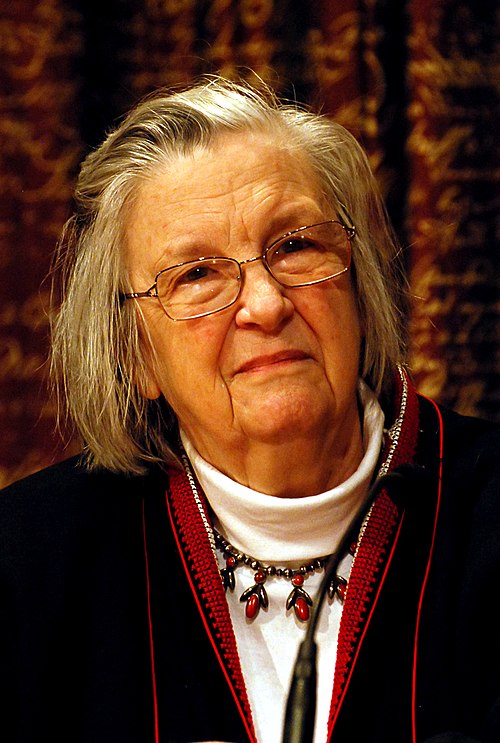
A general blueprint for how any cooperative human group can function well
Elinor Ostrom was an American political scientist and political economist best known for showing that communities can successfully manage shared resources without relying only on government or markets. Her work challenged the idea that commons inevitably collapse into a “tragedy of the commons.”
ARTICLE: Generalizing the Commons
Learning
Design history as a “practice of freedom”
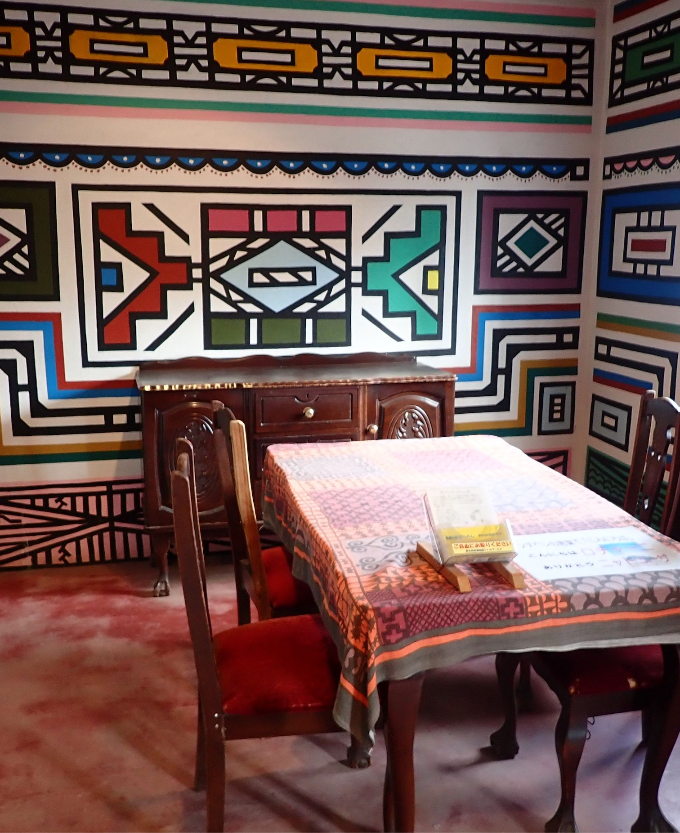
bell hooks saw education as a “practice of freedom," an opportunity to invite marginalized voices, encourage open dialogue, and challenge dominant narratives rather than reproduce them. Boston University professor Kristen Coogan applies this same lens to graphic design history.
INTERVIEW: The Daily Heller: The Growth of New Design History Ecosystems
Communication
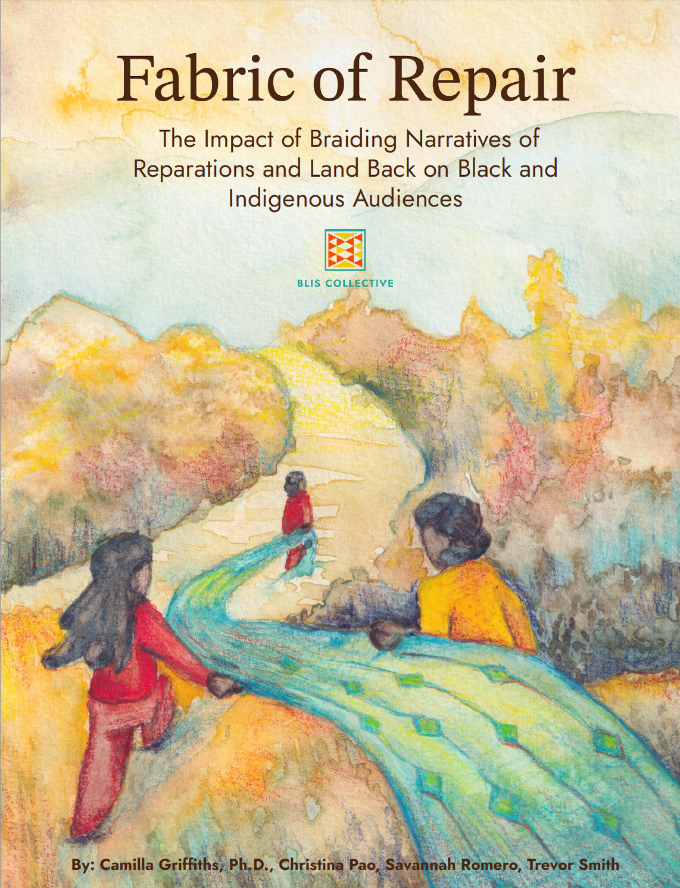
Stories help people understand that the futures we picture together can become the futures we build.
Within reparations work, the term “hope gap” describes the disconnect between support and belief. Many people back an issue, yet far fewer think meaningful change can realistically happen in their lifetime, especially around Black reparations and Indigenous Land Back.
RESEARCH REPORT: Fabric of Repair
Habitat
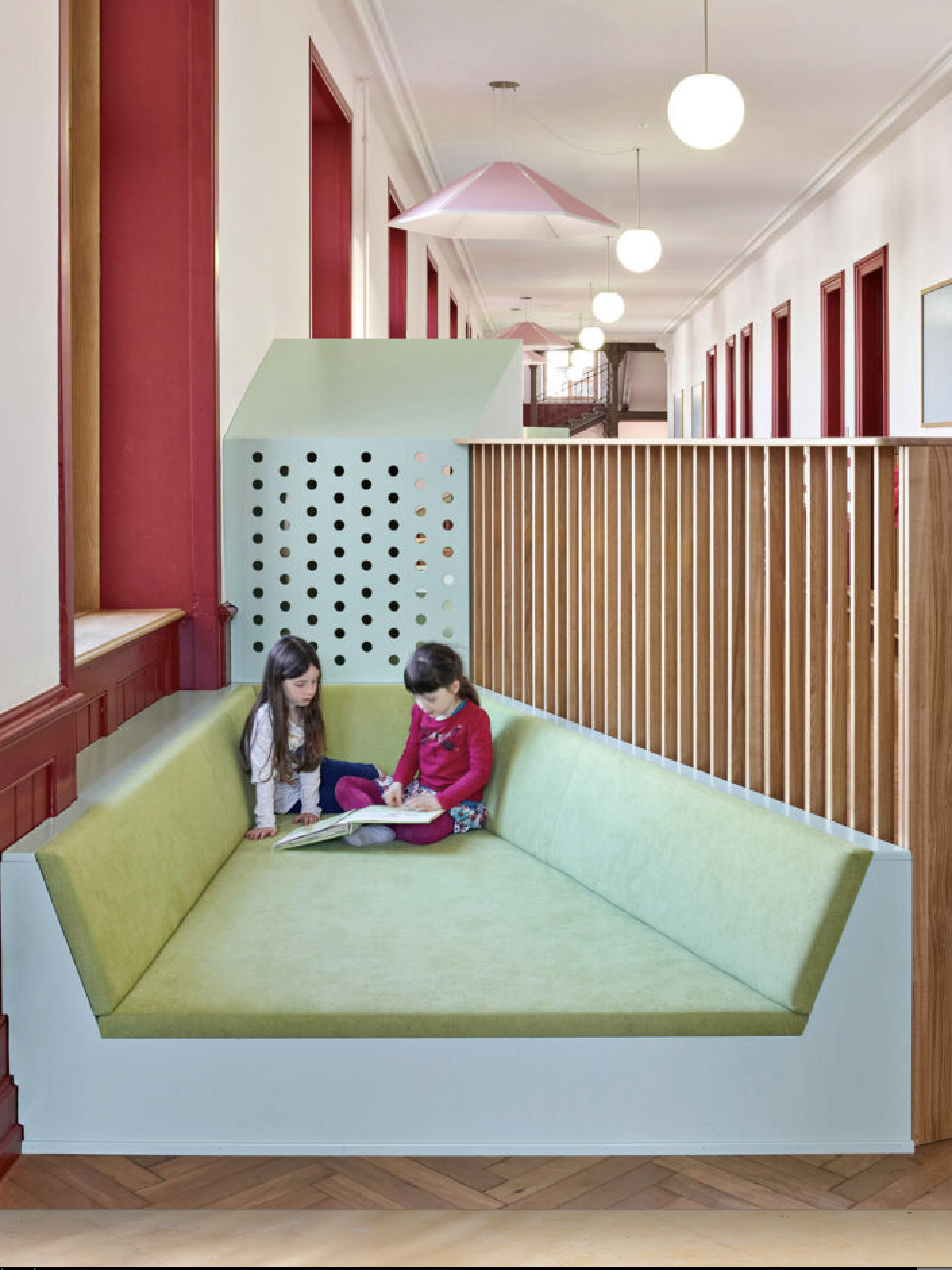
"The design of our schools is a choice. We can decide that our kids deserve beautiful, inspiring places to learn."
Ingrid Fetell Lee is a designer, researcher, and writer who studies how the built environment shapes joy, emotion, and well-being. In this article, she argues that most schools are unattractive not because beauty is costly, but because education systems prize efficiency, safety, and control over children’s emotional needs.
ARTICLE: How to Design a Better School Building
One-liners

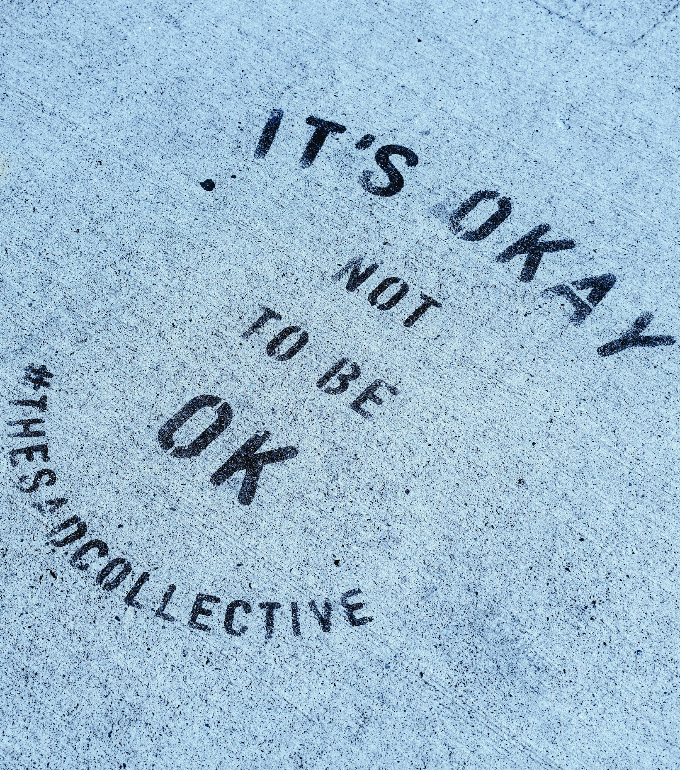
"Self interest is of the past.
Common interest is for the future."
— David Attenborough
October 10, 2025
The only question is how?
"It’s necessary to have a democracy. It’s not a question of whether we’re going to have a democracy. The only question is how?” - Danielle Allen
Learning
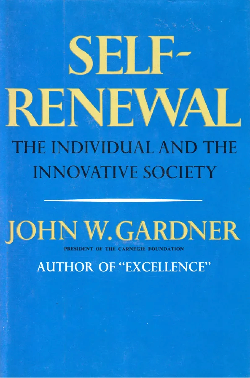
"The society capable of continuous renewal not only is oriented toward the future but looks ahead with some confidence."
John W. Gardner was a major American public servant and civic reformer in the 20th century. A Republican serving in a Democratic administration, he was Secretary of Health, Education, and Welfare under President Lyndon B. Johnson from 1965 to 1968.
BOOK: Self-Renewal: The Individual and the Innovative Society
Culture
“We cannot change the way the world is, but by opening to the world as it is we may discover that gentleness, decency, and bravery are available."
In this interview with Tami Simon of Sounds True, Margaret Wheatley speaks candidly about daily experiences of rage, grief, fear, and powerlessness. She fears that we’ve reached tipping points on major issues—climate, justice, democracy—where we no longer have the means or political will to create the large-scale change many activists once imagined.
INTERVIEW: Margaret Wheatley: Warriors For The Human Spirit
Culture
Regenerating nature, communities, and local economies through systems change
If Matt Biggar had a magic wand, then corporate capitalist structures that drive extraction and disconnection would lose their grip, replaced by locally rooted economies that prioritize ecological limits, shared prosperity, and belonging. He doesn't, so he sketched a framework that shows people how to see, map, and change the systems in their own place so daily life becomes more connected, local, and regenerative.
BOOK EXCERPT: Putting Systems Change in Place
Civics
"Socialism has been as impossible to separate from the narrative of the nation’s history as the capitalist economy itself."
Michael Kazin is an American historian of U.S. politics and social movements, known for his scholarly work on the American left, populism, and the Democratic Party. In this article he observes that socialism has been a steady and shaping force in U.S. political and cultural life, even though socialist parties have rarely held significant electoral power.
ESSAY: A Brief History of American Socialism
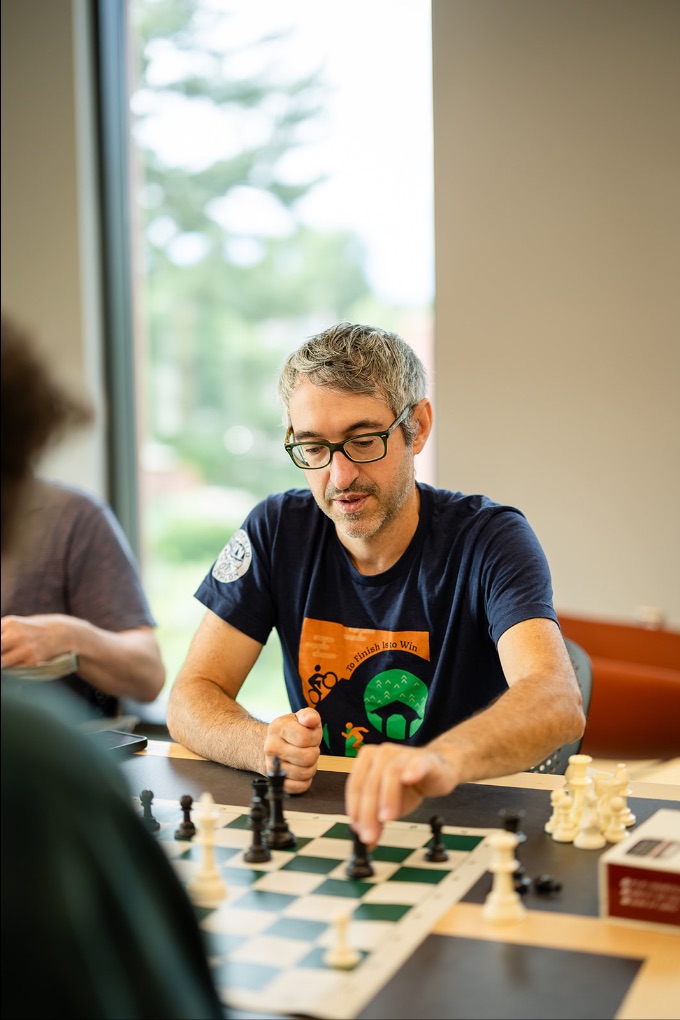
Civics
Given libraries’ unique combination of broad accessibility, civic neutrality, and deep public trust, policymakers should embed them intentionally within health and social planning frameworks.
Our city, Greenfield, Massachusetts, is the proud owner of a brand-new library right in the center of town. Since opening in 2023, visits are up more than 200 percent. Program attendance, use of study and meeting rooms, and reference and notary support have all surged. Computer use is up more than 300 percent.
ARTICLE: How Public Libraries Help Build Healthy Communities

Company
A brand designed to disappear over time
Plasticity is a Japanese upcycling brand that turns discarded plastic umbrellas into bags and accessories, while openly aiming to eliminate the waste stream that makes its business possible—so the company can “disappear” within a decade.
ARTICLE: Plasticity: A Brand that Hopes to No Longer Exist in Ten Years

Learning
Equanimity is something you do, not something you have; it is a lived way of moving through the world.
Michael Uebel is a psychotherapist and writer whose work sits at the intersection of psychology, intellectual history, and contemplative practice. Frustrated by the way equanimity is usually described—as calm, stillness, or emotional dampening—he went looking for a more dynamic understanding, one he found echoed across Western and Eastern traditions.
ARTICLE: Equanimity is Not Stillness – It is a Mobility of the Mind
One-liners
"We must accept finite disappointment, but we must never lose infinite hope. Only in this way shall we live without the fatigue of bitterness and the drain of resentment. "
—Martin Luther King, Jr.
OCTOBER 3, 2025
How to affect the situation
"The way we live our daily lives is what most affects the situation of the world. If we can change our daily lives, then we can change our governments and can change the world. Our president and governments are us. They reflect our lifestyle and our way of thinking." - Thich Nhat Hanh

Teaching
"A remarkable story of self-possession under the most dehumanizing circumstances"
Before Susan B. Anthony, Rosa Parks, and Maggie Kuhn, there was Sojourner Truth. Today she’d be called a badass with brass balls. In her own time she was known as a “fiery abolitionist” and a “riveting preacher” with a straight-talking, unsentimental style.
ARTICLE: The Remarkable Untold Story of Sojourner Truth

Teaching
Free education classes that equip people with the tools to actively engage in movements for justice and peace
The Sojourner Truth School for Social Change Leadership is named after Sojourner Truth to honor her work as an activist for justice, freedom, and honesty.The school launched in Northampton, Mass. in 2017, sparked by the waves of grassroots activism that followed Donald Trump’s first election
WEBSITE: The Sojourner Truth School For Social Change Leadership

Learning
Joy is resistance
Ryan Urie asks how can we be joyful when our country is so divided, the planet is warming out of control, our democracy has been coopted by wealth, and wars are raging across the globe? Because, he says, times have been this bad before, and historically joy is what redeems life’s inevitable struggles.
ESSAY: Finding Joy in Dark Times
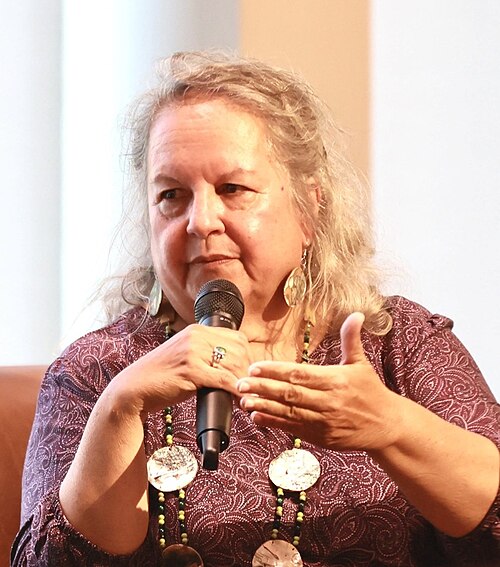
Economics
How can we learn from Indigenous wisdom and ecological systems to reimagine currencies of exchange?
This week my friend and colleague Beth Tener wondered aloud how a country as wealthy as ours can leave so many people without the stability and opportunity our prosperity should make possible. She pointed us to Robin Wall Kimmerer’s reimagining of how we exchange value.
ARTICLE: The Serviceberry. An Economy of Abundance
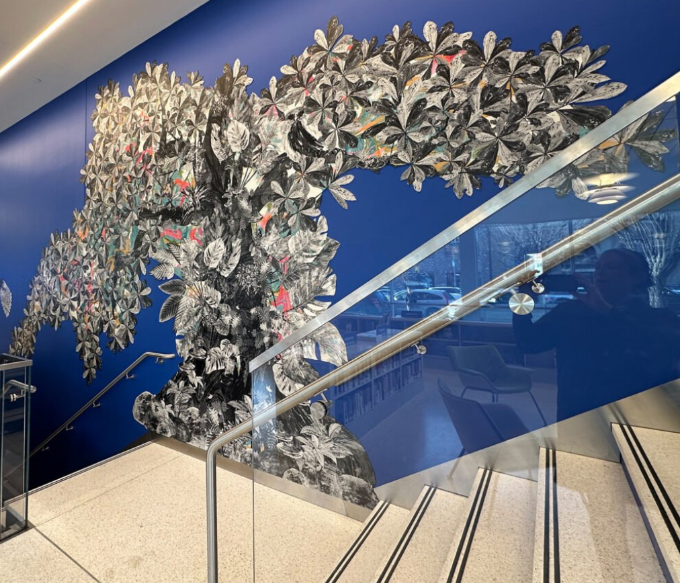
Culture
Libraries as commons-builders and cultural scaffolding
Libraries are among our most important builders of the commons—public spaces, shared knowledge, and collective imagination that belong to everyone. At a time when information is increasingly privatized, restricted, or distorted by ideological attacks, libraries stand as frontline defenders of public knowledge.
ARTICLE: Extralibrary Loan

Company
The COVID pandemic provided evidence that remote and hybrid working practices could work for a wide variety of jobs.
Jane Parry is a UK-based sociologist whose applied research examines changing workplaces, workforce inequalities, and especially flexible, remote, and hybrid work. She followed organizations through the pandemic lockdowns to understand what they learned about hybrid models.
ARTICLE: What Five Years Of Evidence On Hybrid Working Tells Us About The Future Of Employment
Learning
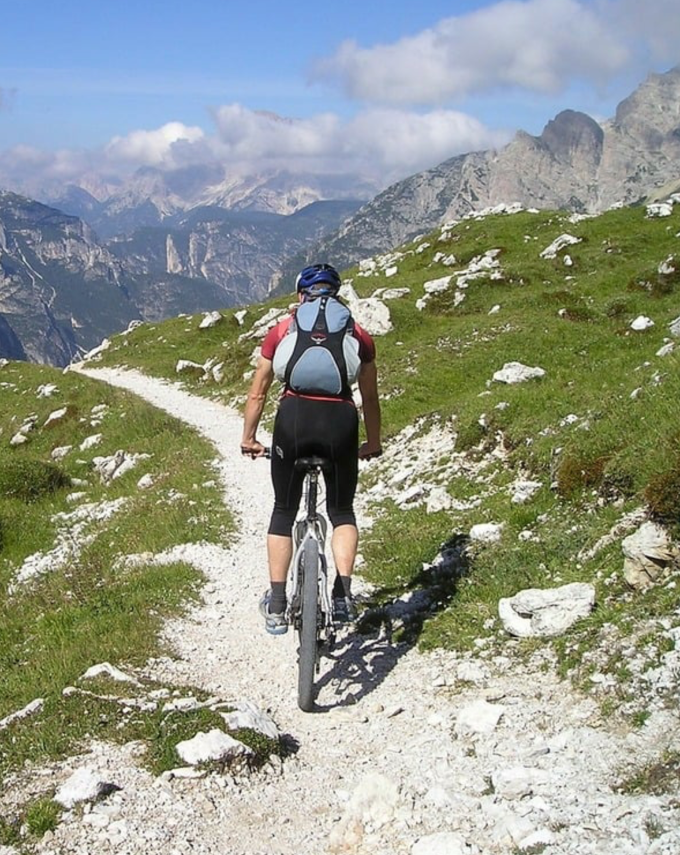
A simple way to improve at something is to imitate someone more skilled than you.
Cate Hall makes a simple observation: humans are mimicry machines. Babies learn this way, absorbing the sounds of native speakers long before they understand grammar, and mastering walking, facial expressions, and social cues through imitation.
ARTICLE: How to Be Instantly Better at Things
One-liners
"People wish to be settled; only as far as they are unsettled is there any hope for them."
— Rilke
SEPTEMBER 26, 2025
One of the few things that keep mattering.
"Art is one of the few things that keeps mattering when everything else is uncertain." - Frank Ape
Teaching
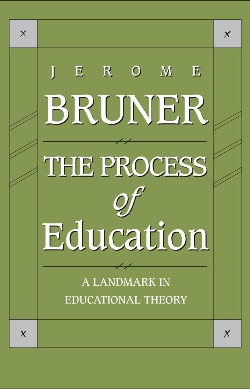
“Learning how to learn is the ultimate skill.”
Jerome Bruner wrote this book in 1960, when teaching largely relied on rote memorization, rigid curricula, and the passive transfer of facts from teacher to student. He was among the first to suggest that education’s highest purpose is to cultivate the ability to actively construct knowledge, not simply store information.
BOOK: The Process of Education
Learning
"Political violence behaves like other self-organizing natural phenomena—wildfires, earthquakes, or epidemics. "
Complexity science examines how the interacting parts of a system shape the whole in ways that can’t be understood by studying each component in isolation. Since its emergence in the mid-twentieth century, it has been used to understand systems as different as economies, social networks, climate dynamics, supply chains, and public health.
ARTICLE: History as Science: How Complexity Thinking Is Transforming Foresight
Learning
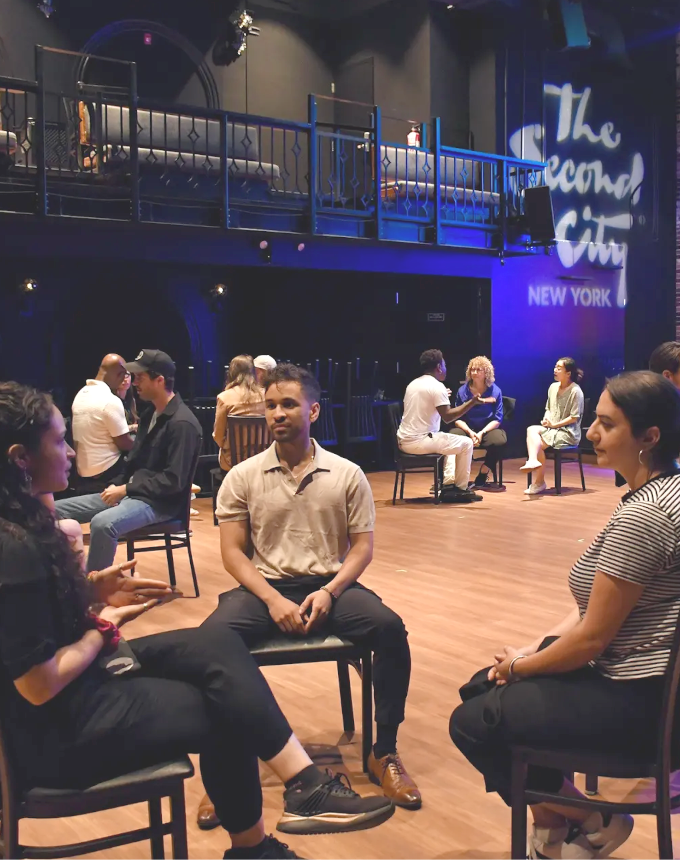
Embracing vulnerability, making decisive choices, and active listening are learnable skills.
My mind opens a bit every time someone uses the phrase “yes/and” in conversation. The term comes from improv, where a performer accepts what another has introduced (“yes”) and then adds something new (“and”).
ARTICLE: Second City’s Side Hustle: Helping CEOs Improvise

Culture
"Started with love...finished with care"
Friends Jennifer Simonic and Masey Kaplan are lifelong knitters. Jen jokes that she was “the weirdo knitting under the desk in 6th grade,” and Masey says knitting got her through the pandemic as she “stitched below the Zoom line, where no one could see.”
WEBSITE: Loose Ends
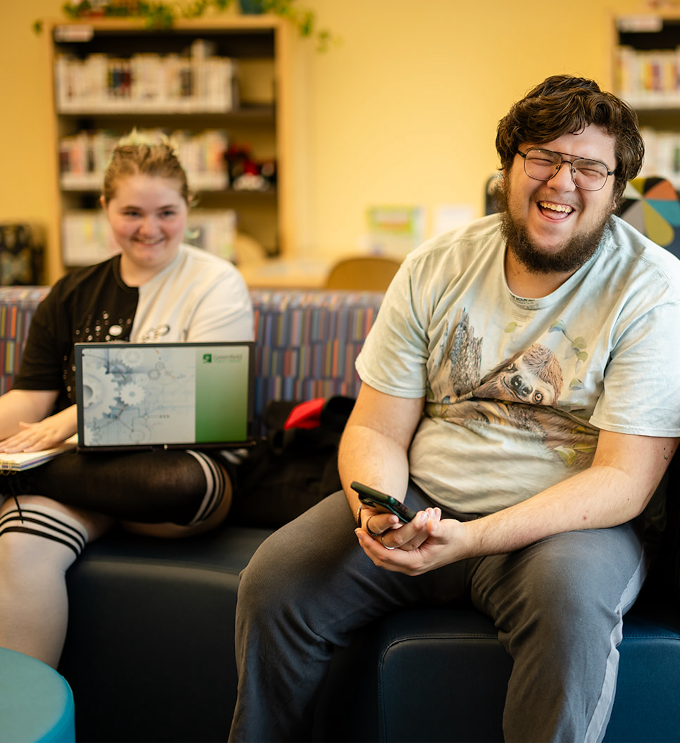
Learning
"As more libraries act as community centers for teens, they are meeting needs that schools, among other institutions, are unable to serve."
If you still think libraries are just quiet rooms full of books and shushing, it’s time to look again. Today they offer far more: technology access, museum and park passes, digital media, tools, and a wide range of community programs.
ARTICLE: Why Teens Love to Hang Out at the Library

Nature
Political divides are bridged by appreciation for nature.
As the federal government cuts back environmental protections, reduces climate monitoring, opens more public land to logging and mining, and weakens endangered species safeguards, a new 2025 report from the World Wildlife Fund (WWF) shows that 3 out of 4 people in the U.S. see nature as essential to their wellbeing.
ARTICLE: Divided Americans United in Cherishing Nature

Learning
"Hope is dedication to life."
Rev. Indira Grace Huerta writes that "the blatant racism, xenophobia, religious persecution, environmental assaults and political and governmental disregard for life—all life, including the accused, the poor, the marginalized, the elderly, as well as nature and our planet—have taken their toll on my heart and mind."
ESSAY: Hope is a Verb
One-liners
“Make the drummer sound good.”
— Thelonious Monk
SEPTEMBER 19, 2025
Most people subscribe to an outdated worldview.
“As the twenty-first century unfolds, it is becoming more and more evident that the major problems of our time – energy, the environment, climate change, food security, financial security – cannot be understood in isolation. They are systemic problems, which means that they are all interconnected and interdependent. Ultimately, these problems must be seen as just different facets of one single crisis, which is largely a crisis of perception. It derives from the fact that most people in our modern society, and especially our large social institutions, subscribe to the concepts of an outdated worldview, a perception of reality inadequate for dealing with our overpopulated, globally interconnected world.” - Fritjof Capra
Learning
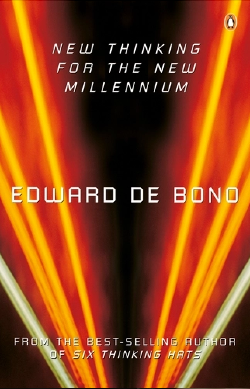
“If you do not design the future, someone or something else will design it for you.”
Here’s a delightfully radical perspective: we do not need to suffer the future. In fact, since the future exists only as a conceptual exercise in possibility, we have every reason to enjoy it.
BOOK: New Thinking for the New Millennium
Learning
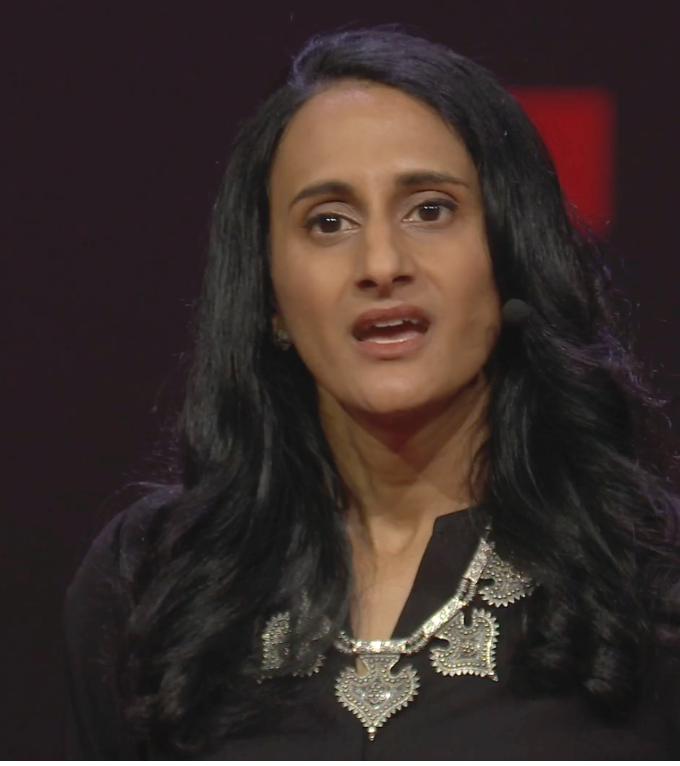
We don't spend much time imagining all the possibilities the future holds.
She is a science policy expert, journalist, and author working at the crossroads of social progress, environmental change, and science policy. In her 2019 book The Optimist’s Telescope: Thinking Ahead in a Reckless Age, she explores how individuals and societies can overcome shortsightedness to confront long-term challenges like climate change and public health.
TED TALK: The power to think ahead in a reckless age | Bina Venkataraman
Learning
"The only way to relegate yesterday’s news to the dustbin of history is to rebel today by re-imagining tomorrow."
I love Edward de Bono’s reminder that we can enjoy the future. Solarpunk is a transdisciplinary movement—spanning literature, art, and activism—that celebrates the radical hope required to make that possible
ARTICLE: Solarpunk: Radical Hope
Culture
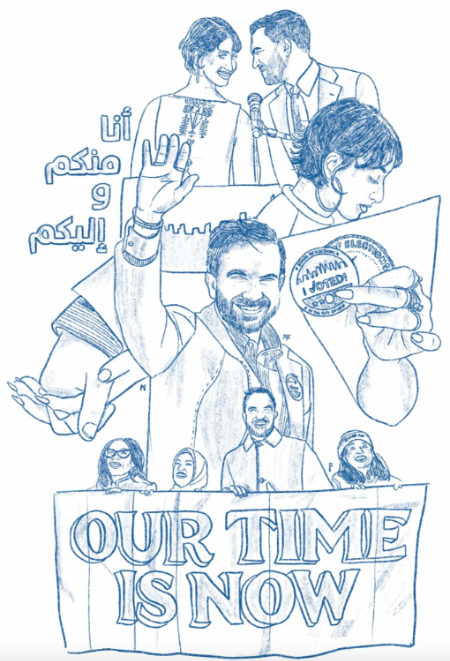
“Art is the science of freedom.”
The quote in the headline is by Joseph Beuys (1921–1986), the German artist, teacher, and activist who expanded the definition of art by emphasizing the artist’s role in shaping political and cultural change.
ESSAY: The Creative Essence of Zohran Mamdani’s Ascent
Teaching
"Joy should be the ultimate goal of teaching and learning."
Gholdy Muhammad sees a pressing need for joy in school environments. She notes that teachers often tell her they feel overwhelmed and stressed, and the mental health of students is in serious decline.
AUTHOR INTERVIEW: Gholdy Muhammad Champions ‘Unearthing Joy’ in Her New Book


Learning
"My heart is at peace, peace generated from my faith in interbeing, in impermanence, and in continuation."
Mick McEvoy is the manager and head of the permaculture garden known as the Happy Farm, at Plum Village, the Buddhist monastery founded by Thich Nhat Hanh in France.
ESSAY: The Wisdom of Autumn: The Reality of Interbeing is Unsurpassed.
One-liners
SEPTEMBER 12, 2025
In rooting for democracy, choose hope.
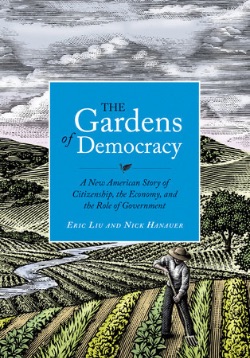
“To be optimistic is to assume things will work out. To be hopeful is to realize things can work out if you work at them. Hope requires responsibility and agency; optimism relieves us of both. In rooting for democracy, choose hope.” - Eric Liu
CIVICS, CIVIC ENGAGEMENT
“When you are compassionate and generous, society can become compassionate and generous."
In January 2000, the White House asked Octavia Butler to write a memorandum to President Clinton outlining her vision of the future. She chose to focus on education.
ARTICLE: A Few Rules for Predicting the Future

CULTURE, DIVERSITY AND INCLUSION
A “possibilist” believes that what we do matters, even when we cannot predict the results.
john a. powell spells his name in lowercase to reflect humility and interconnectedness. He is director of the Othering and Belonging Institute at the University of California Berkeley.
AUTHOR INTERVIEW: Can We Build a World Where We All Belong?
NATURE, SPIRITUALITY
"Reality is basically about change."
Mary Evelyn Tucker sees a clear path toward healing the planet, our relationship with nature, and with each other. She suggests that spiritual ecology—the field that explores how spirituality and the environment are interwoven—is the way finder.
ARTICLE: Why the World Needs Spiritual Ecology

